24 Port CAT6A/CAT5E Network Patch Panel 1U 19 Inch Blank Cable Management Telecom Parts for Communication Rack

Patch Panel Specification
A patch panel is a passive hardware unit, typically rack-mounted, that acts as the central termination and management point for all horizontal network cabling (the permanent 'runs' from work areas) in a structured cabling system. It provides a grid of ports (often keystone jacks) on the front, with punch-down terminals on the back.
- Type & Size: Most common are 1U (1.75' tall) and 2U rack units. Port densities are 12, 24, 48, or 96 ports per panel. Higher densities (like 48-port in 1U) are common in modern data centers.
- Port Type/Interface: The front features female ports, which are either:
- Performance Rating: Rated for specific cable categories: Cat5e, Cat6, Cat6A, Cat8, etc. The panel's rating must match or exceed the installed cable to maintain the channel's performance.
- Termination: The rear of the panel uses punch-down blocks (110-style or Krone-style) for terminating the solid-conductor horizontal cables. Color-coded labels correspond to T568A/B wiring schemes.
- Shielding: Available in UTP (unshielded) and shielded versions. Shielded panels have metal construction and require a grounding wire/busbar to properly ground the cable shields for EMI protection.
- Construction & Features:
- Mounting: Standard 19-inch rack-mount, with front-mount or center-mount flanges.
Advantage
Centralized Termination & Organization: Provides a single, labeled, and orderly point where all permanent cables from the building terminate. This is the cornerstone of a structured cabling system.
- Flexibility & Scalability: Enables any network device (switch port) to be connected to any wall outlet by simply changing a short patch cord on the front. This makes moves, adds, and changes (MACs) quick and easy without touching the permanent cable infrastructure.
- Protection of Permanent Cabling: The fixed horizontal cables are terminated on the stable, protected punch-down blocks at the rear. Only the flexible, easily replaced patch cords are handled during reconfiguration, preventing wear and damage to the core cable plant.
- Professional Documentation & Troubleshooting: Clear port numbering aligns with labeling at the wall outlets, making the physical layer easy to document, trace, and troubleshoot.
- Space Efficiency (High-Density): Allows hundreds of connections to be neatly organized in a compact rack space, which is critical in data centers and telecom rooms.
Application
Data Center Main Distribution: The foundational component in server rooms and data centers, where all switch-to-server and switch-to-core connections are managed.
- Telecommunications Room (TR) / Intermediate Distribution Frame (IDF): Used in every wiring closet in office buildings, campuses, and hospitals to terminate the horizontal cables running to work area outlets on each floor.
- Enterprise Network Infrastructure: The standard for any business with a structured cabling system, providing the interconnection point between the network switches and the end-user devices (computers, phones, APs).
- Home Network Cabinet / Media Center: Used in residential structured media enclosures to terminate all Ethernet, phone, and coaxial cables running to different rooms, providing a clean, professional hub.
- Audio/Video and Security Systems: Also used to organize and patch low-voltage cables for security cameras, access control, and audio/video distribution systems.
Core Purpose: A patch panel is the permanent, structured anchor point of the network. It turns a bundle of raw, permanent cables into a manageable grid of labeled ports, enabling reliable, flexible, and scalable connectivity.

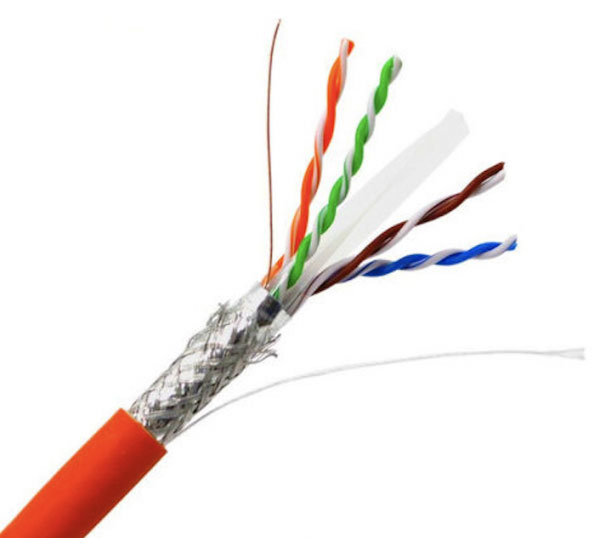
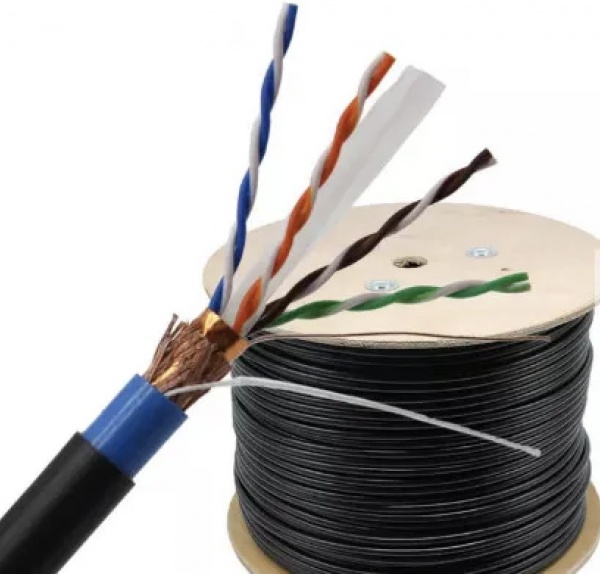
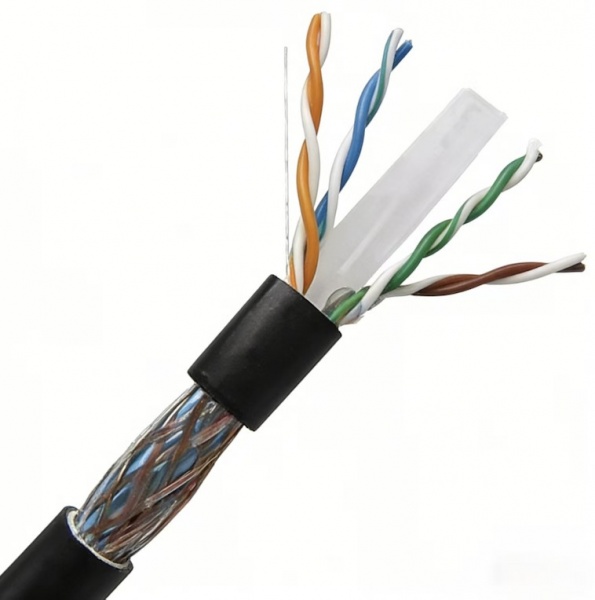
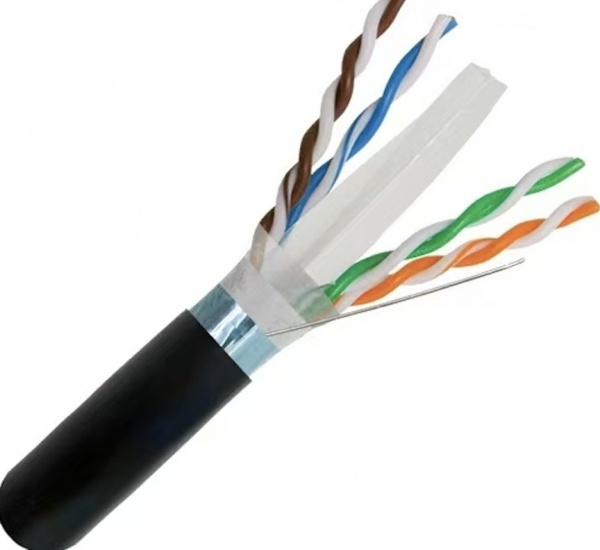
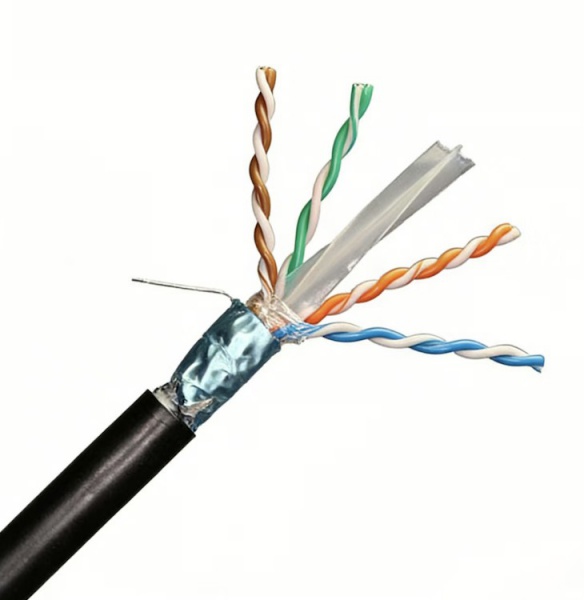
 External FTP CAT6 Data Cable with Jelly Filled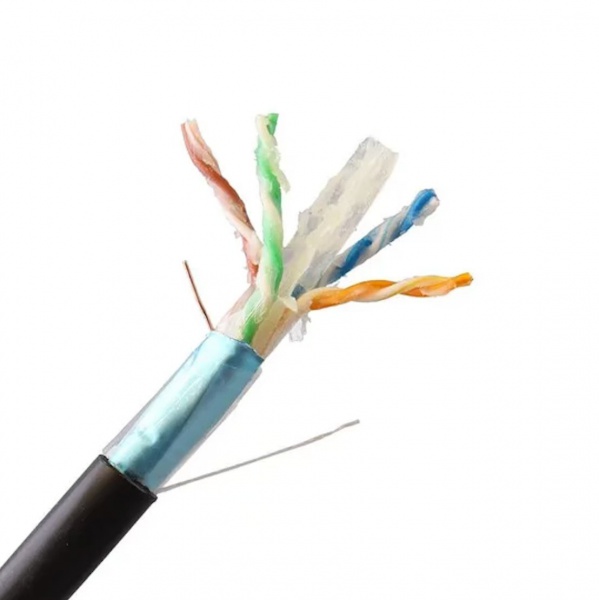







 0086-755-23002989
 info@hotonlink.com
 hotonlink
 0086-18123718803
 Room 506, 5th floor No.48 Huaide South Road,Cuigang Industrial Zone 4,Fuyong Street,Baoan Shezhen China