300/500V Shielded Drag Chain Industrial control Cable,Flexible Drag Chain Cable
What is a Drag Chain Cable?
Also known as tray cable, chainflex, or energy chain cable, it is a specialized cable designed for continuous, high-flexibility, guided movement within cable carriers (drag chains or energy chains). It is the standard for automation, robotics, and machinery with moving parts.

1. Core Specifications & Construction
The specification of a drag chain cable is defined by its ability to withstand mechanical stress. Key parameters include:
Conductor:
Material: High-purity, fine-stranded copper (often tinned for corrosion resistance).
Stranding: Very fine strands (e.g., Class 5 or 6 per IEC 60228) for flexibility.
Insulation:
Materials: Specially formulated PVC, PUR (Polyurethane), or TPE (Thermoplastic Elastomer).
Purpose: Provides flexibility, oil resistance, and prevents strands from sticking together.
Shielding:
Types: Braided copper shielding (for flexibility and EMI/RFI protection) or foil shielding (for static discharge).
Coverage: High coverage (often ≥85%) is critical for signal integrity in moving applications.
Jacket (Outer Sheath):
Material: The most critical component. Typically made of PUR due to its exceptional durability, high abrasion resistance, and resistance to oils, coolants, and chemicals. Advanced PVC blends are also common.
Design: Smooth, low-friction, and often non-stick to prevent adhesion inside the chain.
Fillers & Tensile Elements:
Central Aramid Yarn (e.g., Kevlar®): Integrated to absorb pulling and tensile forces, protecting the electrical conductors.
Key Mechanical Ratings:
Bending Radius: Specified for both fixed and moving installations (e.g., 7.5 x cable diameter).
Acceleration: Rated for high acceleration (often >50 m/s²).
Cycle Life: The most critical spec. Defined as the number of bending cycles (e.g., 5-10 million cycles) the cable can endure before failure, tested under specific conditions (travel distance, speed, radius).
2. Key Advantages & Benefits
Compared to standard flexible cables, drag chain cables offer:
Exceptional Flexibility & Cycle Life: Engineered for millions of bend cycles without conductor breakage or performance degradation.
High Mechanical Durability: Resists abrasion, crushing, and cutting from contact with the chain and other cables.
Torsion Resistance: Can handle a degree of twisting motion in addition to linear bending.
Stability Under Stress: The integrated tensile element (Aramid yarn) prevents elongation and protects conductors from pull forces.
Resistance to Environmental Factors:
Oil & Coolant Resistance: Essential for CNC machines and machining centers.
Chemical Resistance: With exposure to industrial cleaners and lubricants.
Space Optimization: Designed for tight, side-by-side laying in a cable carrier without swelling or sticking.
Reliable Performance: Maintains stable electrical characteristics (impedance, capacitance) and shielding effectiveness even during constant movement.
3. Primary Applications
Drag chain cables are ubiquitous in automated, moving machine environments:
Machine Tools & CNC Machines: For moving spindles, tool changers, and axis drives.
Industrial Robots: On robot arms, for supply of power, data, and media (pneumatics, fiber) to the end-of-arm tooling.
Material Handling Systems:
Gantry cranes and stacker cranes.
Automated Storage/Retrieval Systems (AS/RS).
Conveyor systems with traversing units.
Automated Production Lines: For moving slides, linear actuators, and handling systems.
Packaging Machinery: On servo-driven fillers, cappers, and labeling heads.
Woodworking & Metal Processing Machines: For saws, lasers, and plasma cutters with moving heads.
Stage & Entertainment Technology: For moving lights, cameras, and rigging.
Medical & Laboratory Automation: In automated analyzers and sample handling systems.
Selection Consideration:
Choosing the right drag chain cable requires considering:
Bending Radius of the cable carrier.
Travel Length & Speed.
Required Cycle Life.
Environmental Exposure (oils, chemicals, UV).
Electrical Requirements (voltage, current, signal type: power, data, bus systems like PROFINET, EtherCAT).
Using a standard flexible cable in a drag chain is a common cause of premature failure. Always specify cables certified and tested for 'use in cable carriers' or 'torsion-free bending' for these dynamic applications.
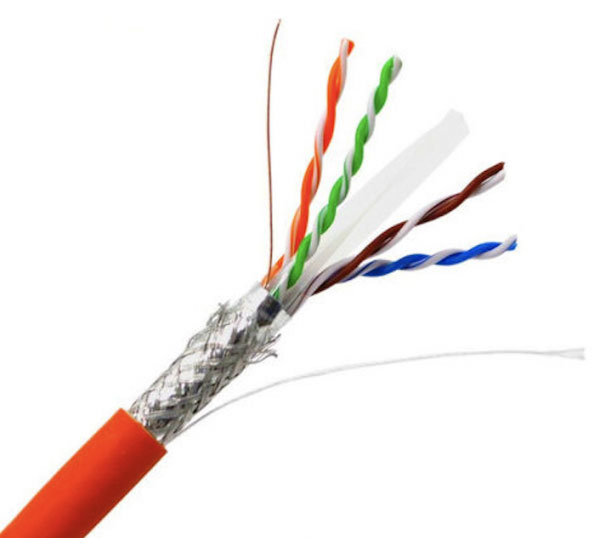
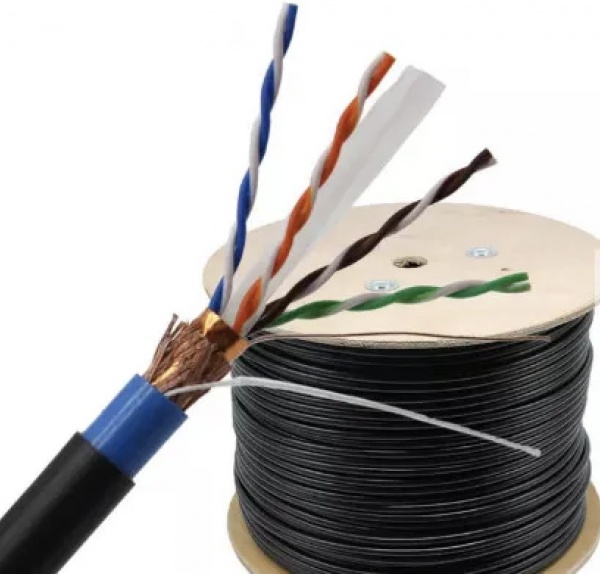
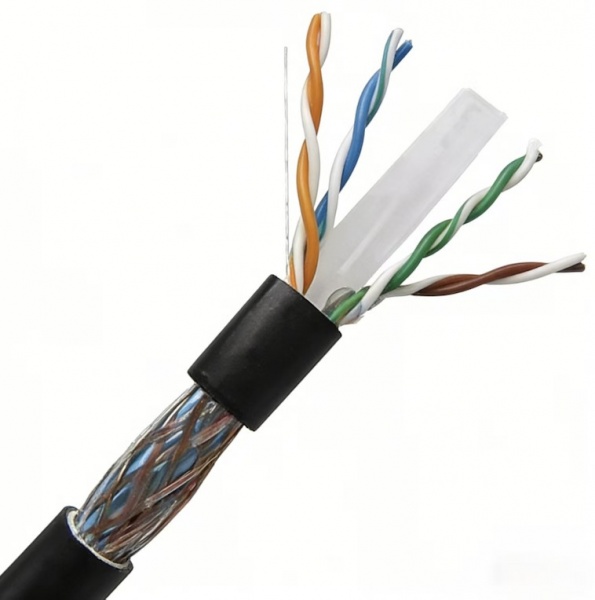
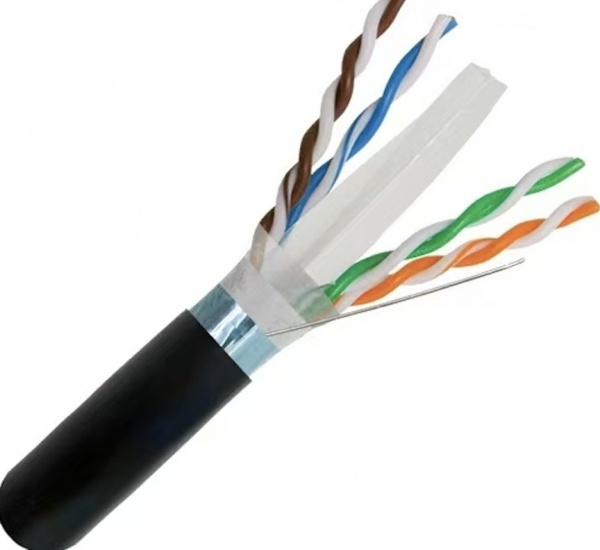
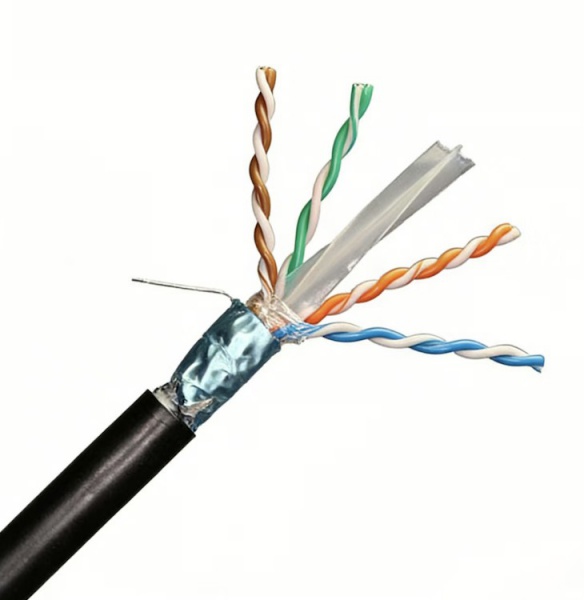
 External FTP CAT6 Data Cable with Jelly Filled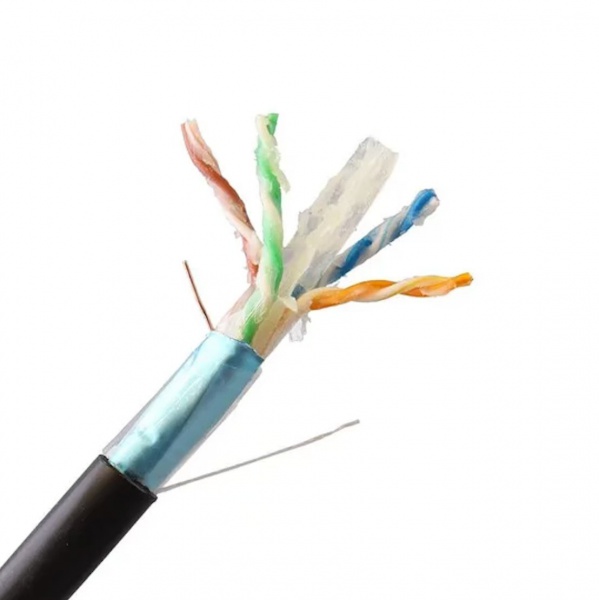







 0086-755-23002989
 info@hotonlink.com
 hotonlink
 0086-18123718803
 Room 506, 5th floor No.48 Huaide South Road,Cuigang Industrial Zone 4,Fuyong Street,Baoan Shezhen China