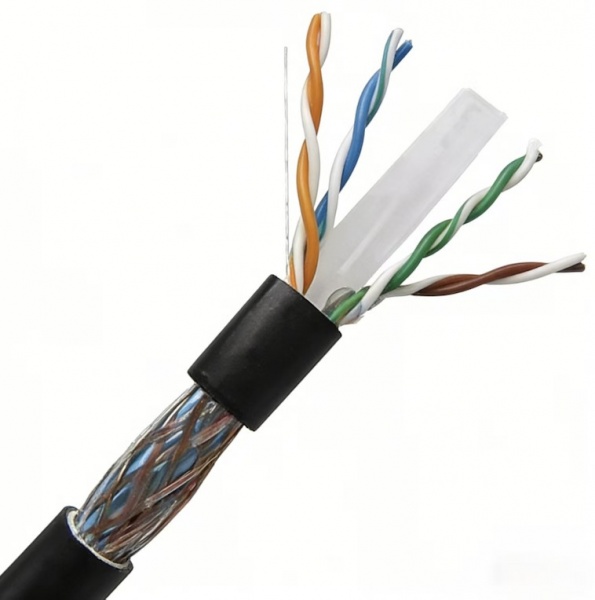
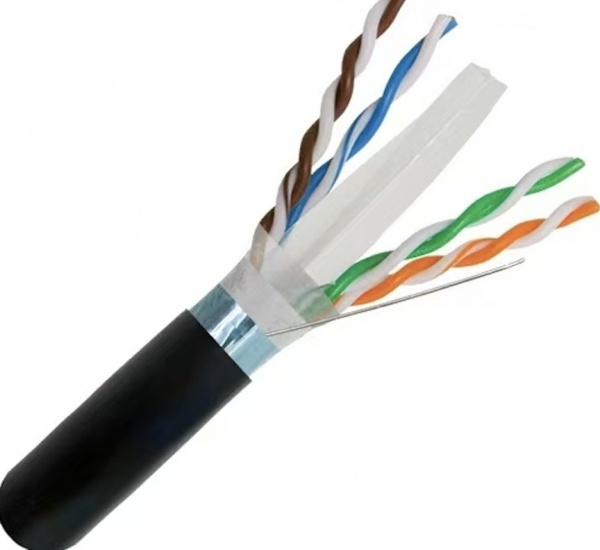
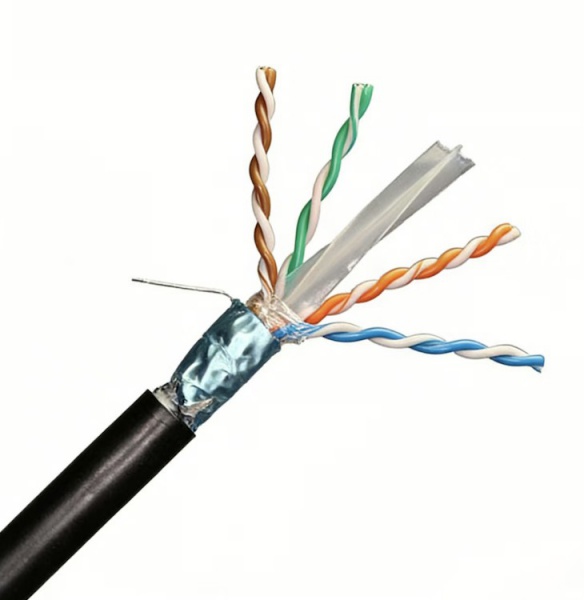
0.6/1KV Copper Marine Naval Ship Cable MGCG Shipboard Cable

What are Marine/Offshore Cables?
These are specialized cables engineered for the extreme environmental, safety, and operational demands of maritime and offshore applications. They are designed for installation on ships, offshore platforms, submarines, and dockside facilities, where failure is not an option. They must comply with stringent international standards (e.g., IEC, IEEE, NEC, MIL, and specific classification society rules).
1. Core Specifications & Construction
The specification of marine cables is defined by their unparalleled durability and safety features.
Conductor:
Material: High-purity, tinned copper. Tinning prevents corrosion from saltwater atmosphere and oxidation, ensuring long-term conductivity and reliability. Conductors are finely stranded for maximum flexibility, crucial for installation in tight vessel spaces.
Insulation:
Materials: Cross-linked polyethylene (XLPE), Ethylene Propylene Rubber (EPR), or specially formulated flame-retardant PVC.
Properties: Must be resistant to heat, moisture, and ozone. XLPE and EPR offer superior thermal stability and higher current-carrying capacity.
Sheathing/Jacket:
Primary Material: Halogen-Free, Flame-Retardant, and Low Smoke compounds are mandatory for most enclosed spaces. Common materials include:
Low Smoke Zero Halogen (LSZH/LS0H): Prevents toxic, corrosive smoke in case of fire—critical for crew evacuation and equipment survival.
Specialty Polymers: Such as chlorosulphonated polyethylene (CSP/ Hypalon) or chlorinated polyethylene (CPE) for superior UV, oil, and chemical resistance.
Armoring: For mechanical protection, many shipboard cables feature a galvanized steel wire braid or aluminum wire armor (AWA). This protects against crushing, impact, and rodent damage.
Key Performance Ratings:
Fire Safety: Must pass rigorous Flame Retardant (IEC 60332-3), Fire Resistant (IEC 60331), and Circuit Integrity tests to maintain operation during a fire.
Water & Oil Resistance: Impervious to saltwater, fuels, lubricants, and hydraulic fluids.
UV & Weather Resistance: For outdoor/exposed areas on deck and offshore platforms.
Temperature Range: Wide operating range, typically from -25°C to as high as 90°C (dry) and 85°C (wet), depending on insulation.
Voltage Rating: Common ratings are 600/1000V, 0.6/1kV, and up to 15kV for high-voltage power systems on large vessels.
2. Key Advantages & Benefits
These cables are purpose-built to ensure safety, reliability, and longevity in the harshest conditions.
Uncompromising Fire Safety:
Flame Retardant: Does not propagate flame along its length.
Low Smoke & Zero Halogen: Generates minimal opaque smoke and no toxic/acidic halogen gases (like HCl) when burning, preserving visibility and preventing corrosion of sensitive electronics during evacuation and firefighting.
Superior Environmental Durability:
Corrosion & Moisture Resistance: Tinned conductors and specialized sheaths resist saltwater corrosion and high humidity.
Oil, Fuel & Chemical Resistance: Withstands exposure to hydrocarbons and aggressive fluids common in engine rooms and decks.
UV & Ozone Resistance: For long-term outdoor exposure without degradation.
Mechanical Robustness:
High flexibility for easy pulling and installation in confined, complex spaces.
Armored versions provide excellent crush and impact resistance.
Compliance & Certification: Manufactured to meet the strict rules of international Classification Societies (e.g., ABS, DNV, Lloyd's Register, BV, RINA) and standards like IEC 60092 (Electrical Installations in Ships), which is the global benchmark.
Long Service Life & Reliability: Designed for the 20-30+ year lifespan of a vessel, minimizing maintenance and replacement in inaccessible areas.
3. Primary Applications
These cables are the lifeline of all electrical and control systems in marine and offshore environments.
Commercial & Naval Ships:
Power Distribution: Main power feeders, generator connections, distribution panels.
Propulsion & Machinery: Cables for main engines, thrusters, pumps, and auxiliary machinery.
Control & Instrumentation: For engine control systems, navigation systems, and automation (often screened/armored for EMI protection).
Lighting & General Services: Throughout accommodation, workspaces, and deck areas.
Offshore Oil & Gas Platforms & Rigs:
Subsea & Topside Power: For drilling equipment, cranes, winches, and process systems.
Hazardous Areas: Cables certified for Zone 1 & Zone 2 explosive atmospheres.
Dynamic Applications: For flexible risers, mooring systems, and crane-rated cables that withstand constant movement.
Submarines & Submersibles: Requiring the highest reliability, pressure resistance, and fire safety.
Port & Dockyard Installations: For shore power (cold ironing), crane power, and lighting systems exposed to the marine atmosphere.
Specialized Vessels:
Passenger Cruise Ships: Extremely high fire safety requirements (SOLAS regulations).
LNG Carriers: Special considerations for cryogenic areas and hazardous zones.
Naval Vessels: Additional requirements for shock, vibration, and electromagnetic pulse (EMP) protection (MIL-Spec cables).
Selection & Classification:
Choosing the correct cable requires specifying:
Application: General shipboard, offshore, hazardous area, etc.
Installation Location: Enclosed, exposed, wet, engine room, direct burial, etc.
Required Certifications: Which Classification Society (ABS, DNV, etc.) stamp is needed.
Fire Performance: Required level of flame retardancy, smoke density, and toxicity.
Mechanical Protection: Need for armor (SWB/AWA) or braid.
Conclusion: Marine and offshore cables are not merely 'waterproof' industrial cables. They are a distinct product category engineered for maximum safety, survivability, and reliability under a unique combination of fire, chemical, mechanical, and environmental stresses. Using non-compliant cables in these applications is a severe safety risk and violates international maritime regulations.
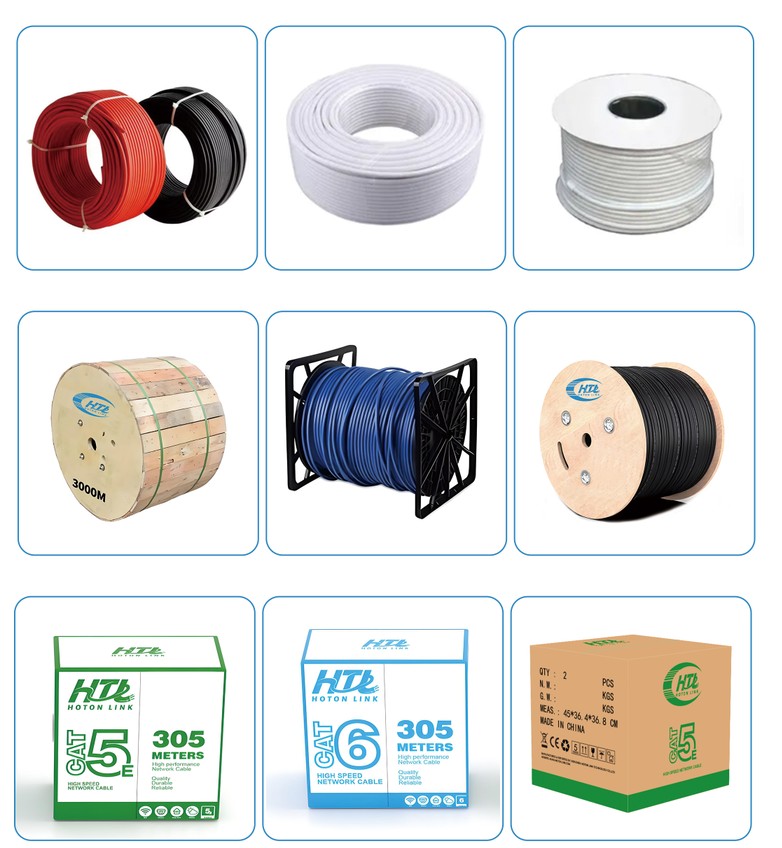
Package

FAQS:
Q1: Are you a factory or trading company?
A1: We are a manufacturer.
Q2: Where is your factory located? How can I visit there?
A2:Our factory are located in jieyang city. You can fly to Shenzhen or Guangzhou international airport. And tell us your flight No. We will arrange to pick you up.
Q3: How can I get a sample to test your quality?
A3:We can provide free samples for your test and checking, you just need to bear the freight charge.
Q4:What payment method do you accept?
A4:T/T(Bank transfer), Western Union, Money Gram, Paypal, etc.
Q5: Can you put my brand name (logo) on these products?
A5: Yes! The professional OEM services will be welcomed to us. Our factory accepts to make the logo free for bulk orders.
Q6: May I know the status of my order?
A6: Yes .The order information and photos at different production stage of your order will be sent to you and the information will be updated in time.
Q7: What’s the leading time? (How long do you need to prepare my goods?
A7: Delivery (no more than 1000pcs) will be arranged within 10-15 days after payment, and arrive you within about 1 month via sea shipping.
Q8: How will you deliver my goods to me?
A8 Your purchases will be delivered by DHL, UPS, FedEx, TNT, EMS your door. Air Cargo and Sea Cargo, Direct line, Air Mail also be accepted according to clients' request.
Q9: Can you provide us more other products to us to help us to save more shipping costs?
A9: Yes. There’re kinds of Indoor Cables, Outdoor Cables, Coaxial Cables, Telephone Cables, Fiber Optic Cables and Accessories will be the main products line of Factory. The OEM bulk order will be accept as well.








 0086-755-23002989
 info@hotonlink.com
 hotonlink
 0086-18123718803
 Room 506, 5th floor No.48 Huaide South Road,Cuigang Industrial Zone 4,Fuyong Street,Baoan Shezhen China