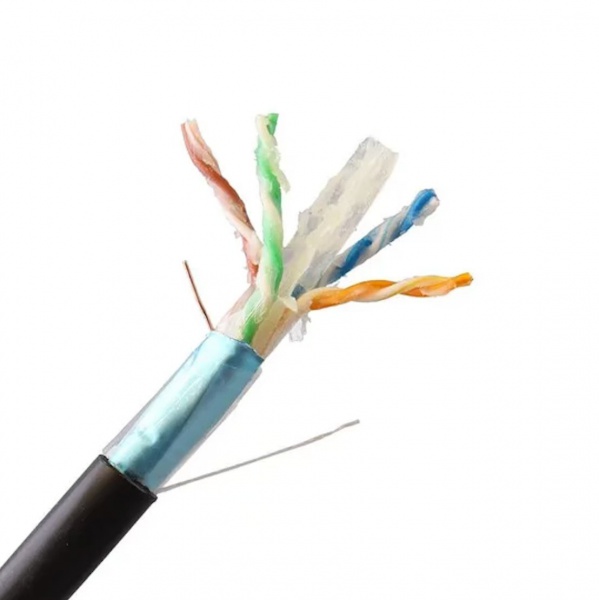
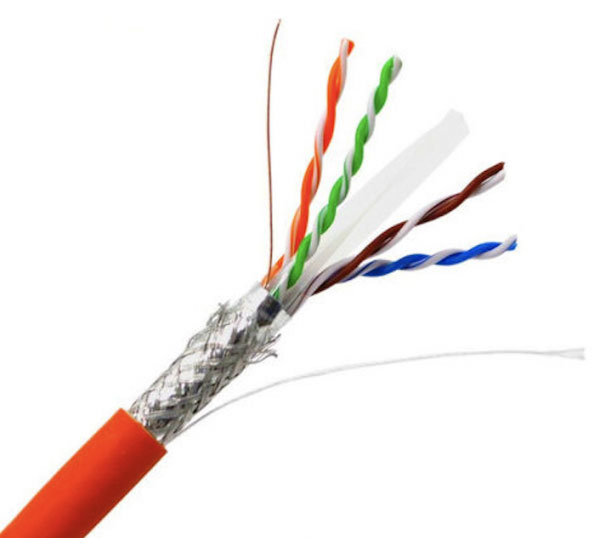
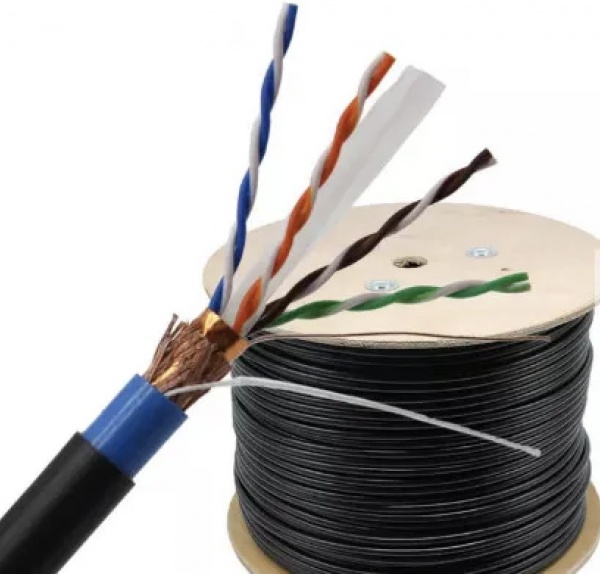
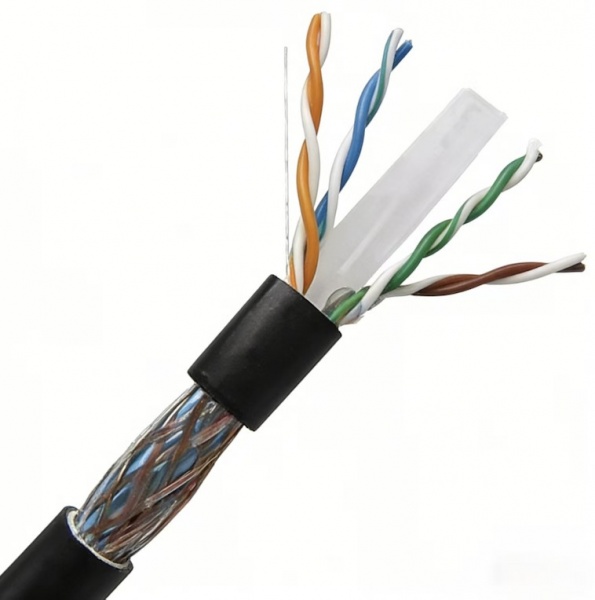
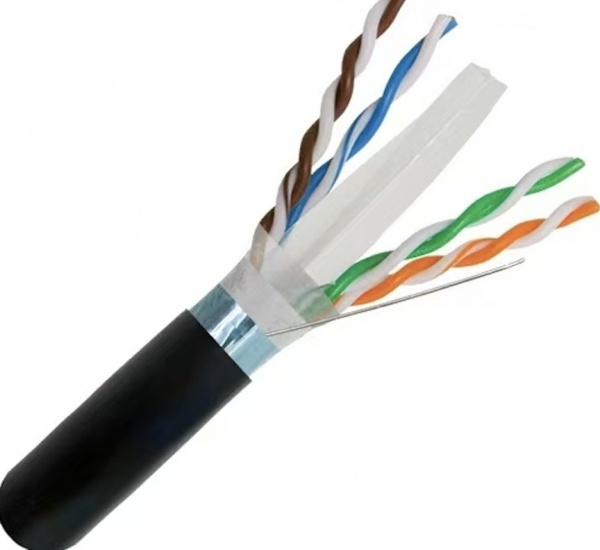
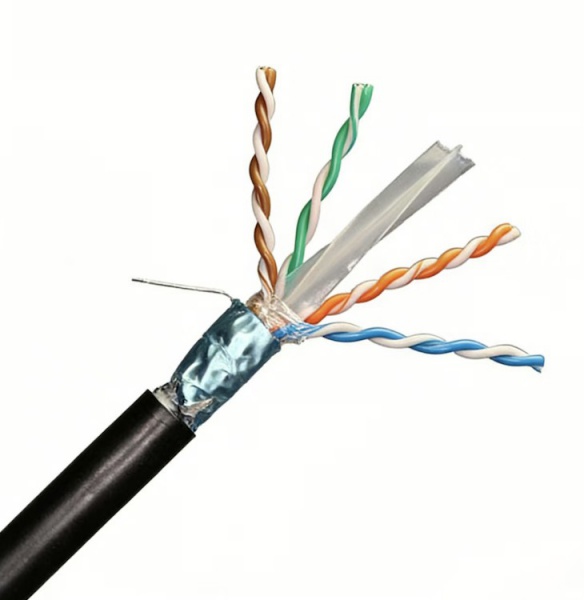
Aerial UTP Cat6 Copper Double Jacket Steel Messenger 23awg 4 Pairs Solid UV Resistant UTP Outdoor Ethernet Cable

Specifications
Outdoor messenger cable (also called aerial cable) combines network cable with a built-in support strand for overhead installation.
Core Construction
Category: Cat6 (250 MHz bandwidth, 1 Gbps at 100m, 10 Gbps at ≤55m)
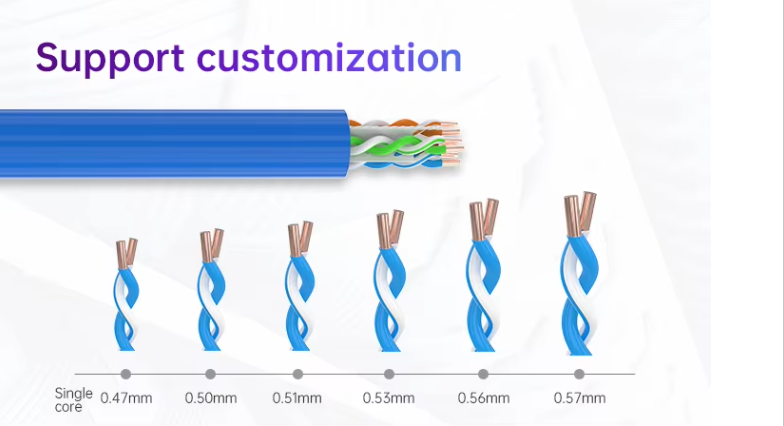
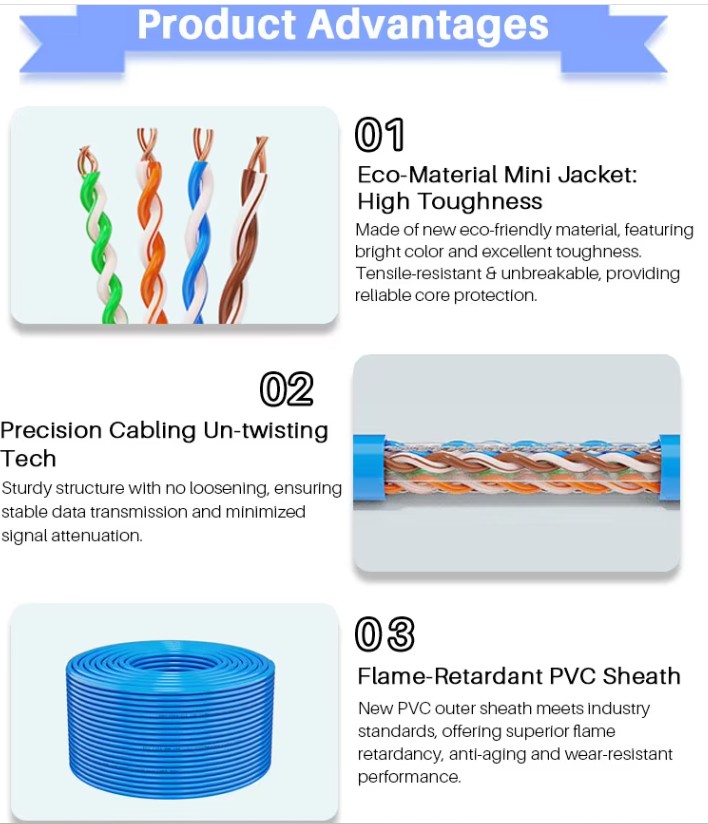
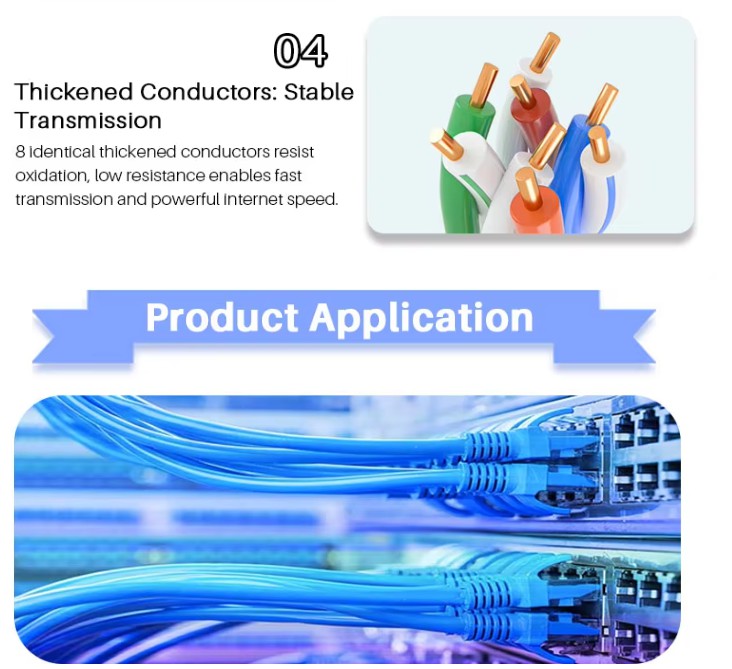
- Conductors: 4 twisted pairs, 23 AWG solid bare copper
- Impedance: 100 ohms ±15Ω
- Twist Type: Tightly twisted pairs with cross separator for reduced crosstalk
Messenger Components
Messenger Type:
- Steel (Most Common): High-strength galvanized steel (7-strand or 19-strand)
- Dielectric: Fiberglass or aramid yarn for non-conductive applications
- Attachment Method:
- Breaking Strength: Typically 1,200-2,000 lbs for steel messengers
- Messenger Size: Usually 1/8' to 3/16' diameter steel
Outdoor Protection
Jacket: Black UV-resistant polyethylene (PE) with high sunlight/ozone resistance
- Temperature Rating: -40°C to 75°C operational range
- Water Blocking: Gel-filled or water-blocking tape under jacket
- Standards: UL Type CMU/CMR, NFPA 70, NEC Article 800
Advantages
1. Simplified Aerial Installation
No Separate Support Needed: Eliminates the need to run separate messenger wire
- Pre-Engineered Strength: Designed to support its own weight plus ice/wind loads
- Faster Deployment: Can be installed in one pass with standard lashing equipment
2. Superior Mechanical Protection
Self-Supporting: Handles spans up to 150 feet (45m) between poles
- Vibration Resistance: Messenger absorbs wind-induced vibrations
- Ice/Snow Load Rated: Typically designed for 0.5' radial ice loading
3. Cost and Time Efficiency
Reduced Labor: One installation step instead of two (cable + messenger)
- Lower Hardware Needs: Fewer clamps, ties, and mounting hardware required
- Single Inventory Item: One SKU for both cable and support
4. Neater, More Professional Appearance
Clean Installation: Uniform appearance without cable sagging
- Predictable Sag: Engineered for proper catenary curve
- Easy Identification: Clearly marked as aerial-rated for maintenance
5. Long-Term Reliability
Reduced Chafing: Messenger protects cable from abrasion on lashing hardware
- Proper Strain Relief: Tensile loads carried by messenger, not conductors
- Corrosion Resistance: Galvanized or coated messenger resists weathering
Applications
1. Utility Pole-to-Pole Installations
ISP Deployments: Connecting neighborhood nodes for cable/telecom providers
- Municipal Networks: City-wide Wi-Fi, traffic management, smart city systems
- Rural Broadband: Spanning long distances between poles in countryside
2. Campus/Industrial Connectivity
Parking Lot Lighting: Connecting security cameras on light poles
- Industrial Plants: Between buildings where trenching is impossible
- Educational Campuses: Connecting buildings across roads or walkways
3. Surveillance & Security
Perimeter Security: Along fences between camera poles
- Parking Facilities: Overhead runs to avoid ground-level tampering
- Remote Monitoring: Extending cameras to distant locations
4. Special Environments
Over Water/Rivers: Spanning waterways where burial is impractical
- Uneven Terrain: Crossing ravines, rocky areas, or protected landscapes
- Temporary Events: Festival networking, construction site connectivity
5. Last-Mile Solutions
MDU Deployments: Apartment-to-apartment connectivity
- Business Parks: Connecting multiple tenant buildings
- Residential Aerial: From pole to house for FTTN solutions
Installation Requirements
Clearance Standards
Over Roadways: Minimum 18 feet (5.5m) clearance
- Over Pedestrian Areas: Minimum 10 feet (3m) clearance
- From Power Lines: NEC requires 12' minimum separation, 40' recommended
Hardware Needed
Dead-End Grips: For terminating messenger at poles
- Lashing Wire/Tape: For securing cable to existing messengers
- Support Clamps: Figure-8 or separate messenger clamps
- Splice Enclosures: Waterproof boxes for connections
- Surge Protectors: Essential at building entry points
Span Considerations
Maximum Recommended Span: 150-200 feet (45-60m) depending on ice/wind zone
- Sag Calculation: Typically 1-2% of span length
- Expansion Loops: Required at poles for thermal expansion/contraction
Limitations & Cautions
Electrical Hazards: Steel messenger is conductive—requires proper grounding and bonding per NEC Article 800
- Lightning Risk: Must be grounded at each building entry; consider fiber for high-risk areas
- Aesthetic Concerns: May not be permitted in historic districts or scenic areas
- Permitting: Often requires right-of-way permits and utility coordination
- Tree Interference: Must maintain clearance from growing trees
- Weight: Heavier than standard cable—requires proper pole strength assessment
- Distance Limitation: Still limited to 100m channel length for Cat6 performance
When to Choose Messenger Cable
Choose messenger Cat6 when:
Installing between existing utility poles
Crossing obstacles where burial is too expensive
Need quick deployment without trenching
Working with experienced aerial installation crews
Spanning distances under 150 feet between supports
Consider alternatives when:
Spanning over 200 feet (use fiber with separate messenger)
In extremely high lightning areas (use dielectric messenger or fiber)
Aesthetics are critical (consider burial)
No experienced aerial installers available
Best Practices
Always use lightning arrestors at both ends
Ground the steel messenger at each pole and building entry
Maintain proper separation from power lines
Document exact installation with photos and GPS coordinates
Label clearly as 'COMMUNICATIONS CABLE - NOT ELECTRICAL'
Plan for expansion/contraction with service loops
Test both continuity and performance after installation
Key Takeaway: Outdoor Cat6 with messenger is the professional solution for reliable aerial Ethernet deployments, offering speed, strength, and weather resistance in a single integrated package—ideal for service providers, municipalities, and campus networks where overhead installation is preferred or required.
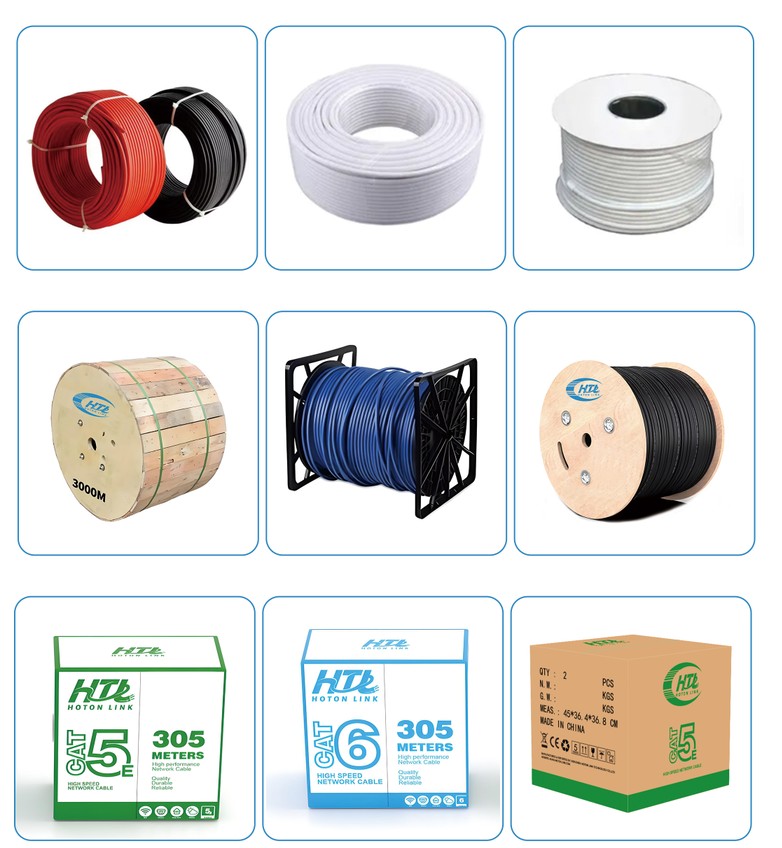
Package

FAQS:
Q1: Are you a factory or trading company?
A1: We are a manufacturer.
Q2: Where is your factory located? How can I visit there?
A2:Our factory are located in jieyang city. You can fly to Shenzhen or Guangzhou international airport. And tell us your flight No. We will arrange to pick you up.
Q3: How can I get a sample to test your quality?
A3:We can provide free samples for your test and checking, you just need to bear the freight charge.
Q4:What payment method do you accept?
A4:T/T(Bank transfer), Western Union, Money Gram, Paypal, etc.
Q5: Can you put my brand name (logo) on these products?
A5: Yes! The professional OEM services will be welcomed to us. Our factory accepts to make the logo free for bulk orders.
Q6: May I know the status of my order?
A6: Yes .The order information and photos at different production stage of your order will be sent to you and the information will be updated in time.
Q7: What’s the leading time? (How long do you need to prepare my goods?
A7: Delivery (no more than 1000pcs) will be arranged within 10-15 days after payment, and arrive you within about 1 month via sea shipping.
Q8: How will you deliver my goods to me?
A8 Your purchases will be delivered by DHL, UPS, FedEx, TNT, EMS your door. Air Cargo and Sea Cargo, Direct line, Air Mail also be accepted according to clients' request.
Q9: Can you provide us more other products to us to help us to save more shipping costs?
A9: Yes. There’re kinds of Indoor Cables, Outdoor Cables, Coaxial Cables, Telephone Cables, Fiber Optic Cables and Accessories will be the main products line of Factory.
The OEM bulk order will be accept as well.








 0086-755-23002989
 info@hotonlink.com
 hotonlink
 0086-18123718803
 Room 506, 5th floor No.48 Huaide South Road,Cuigang Industrial Zone 4,Fuyong Street,Baoan Shezhen China