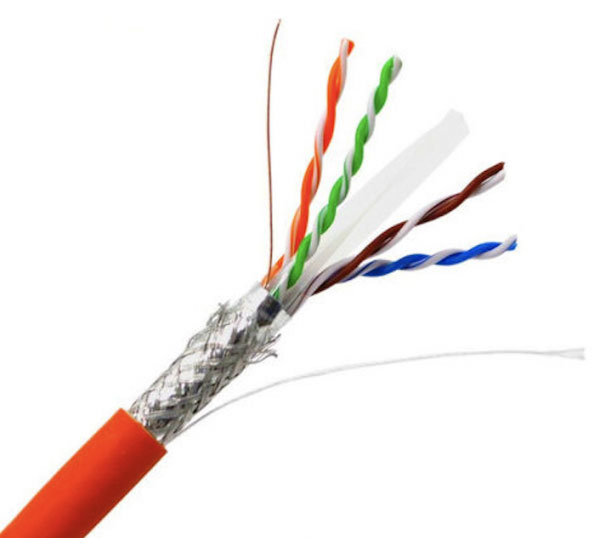
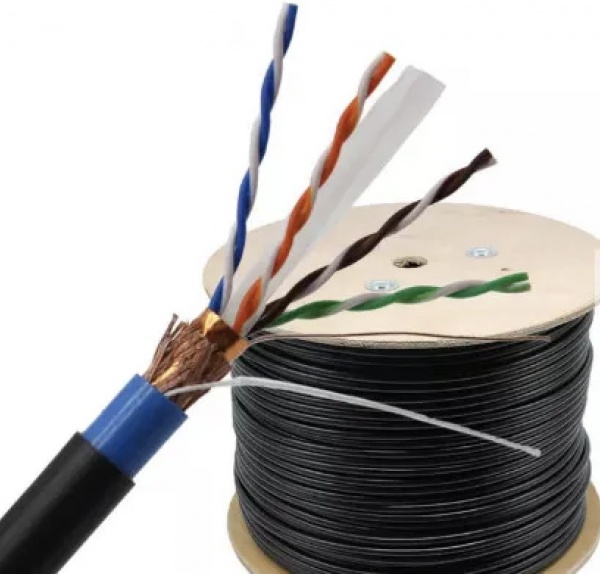
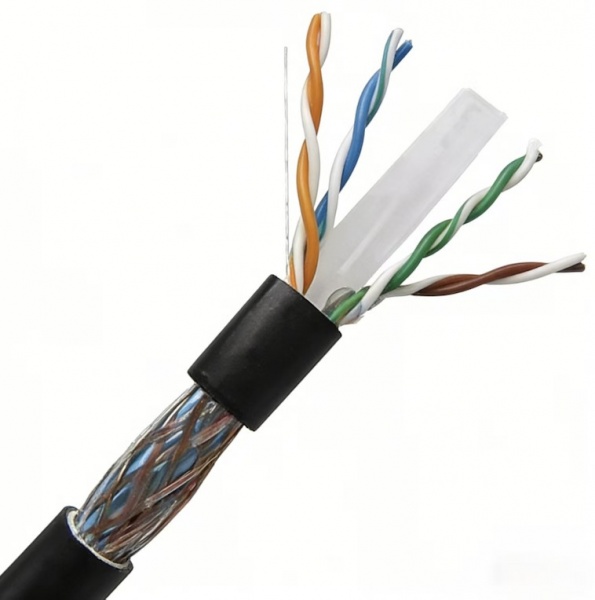
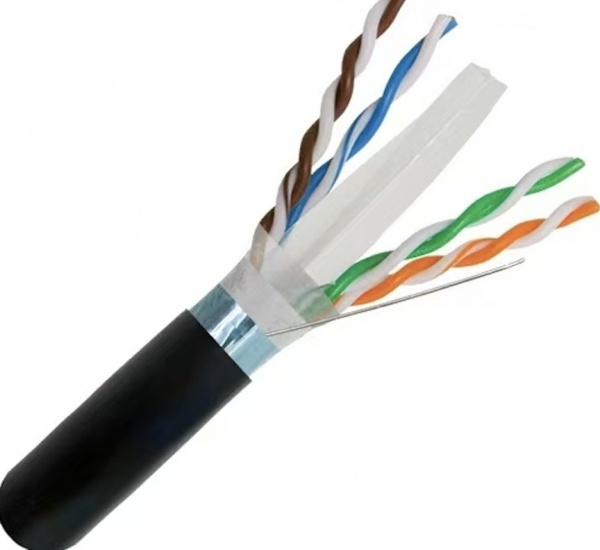
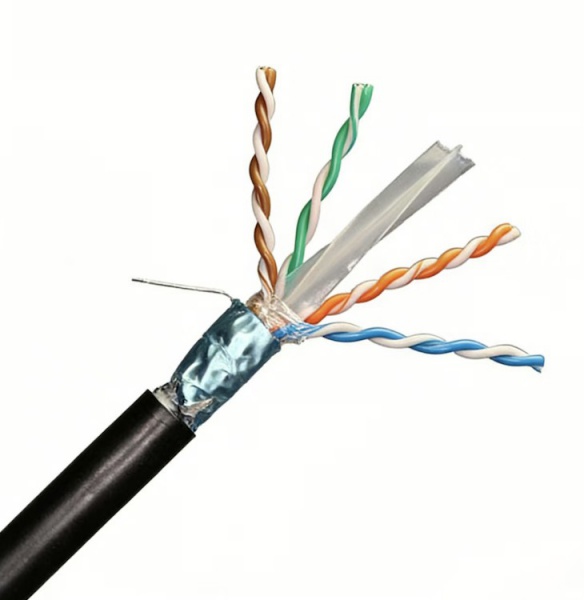
图片展示
English
  • 繁體中文
  • English
  • عربي
  • Русский язык
  • română
  • Português
  • Türkçe
  • Español
  • Italiano
  • IndonesiaName
  • Tiếng Việt

Related Products

Custom 2-Core Brazil Plug Power Cord

1. Place of Origin: China
2. Brand Name:Hoton Link
3.Minimum Order Quantity:1000pcs
4. Delivery time:5-25 Days
5.Payment Terms: 30%TT as deposit,70%Balance before shipping.

Custom 2-Core Brazil Plug Power Cord

Select the number of specifications

Please check the product information you want!

Product Detail

Custom 2-Core Brazil Plug Power Cord 


Power cords, or mains cables, are the final link between an electrical device and the AC power outlet. Their specifications vary globally based on regional standards.


Core Specifications

Power cord specifications are defined by four key elements, often abbreviated as a 'Connector Code' (e.g., NEMA 5-15P to IEC 60320 C13).


1. Plug Type (Input Connector)

This is the end that goes into the wall outlet. It varies by country/region and defines voltage, current, and safety standards.

  • NEMA (North America): The most common is the NEMA 5-15P (3-prong, 125V, 15A). Used in the USA, Canada, Mexico, Japan, and others.

  • IEC Type G (UK Plug): Three rectangular pins, fused, 230V. Used in the UK, Ireland, Hong Kong, Singapore, etc.

  • CEE 7/7 (Schuko - Europe): Two round pins with side grounding clips, 230V. Standard in Germany, France, Austria, and most of continental Europe.

  • AS/NZS 3112 (Australasian): Two angled flat pins forming a 'V' with an earth pin, 230V. Used in Australia, New Zealand, China, Argentina.

  • India (IS 1293): Three large round pins in a triangular pattern, 230V.


2. Appliance Connector (Output Connector)


This is the standardized end that goes into the device. The most common standards are set by IEC 60320.

  • IEC 60320 C13/C14: The universal 'kettle lead' or 'cloverleaf' connector. C13 (female socket) is on the cord, C14 (male inlet) is on the device. Rated for 10A/250V. Used for desktop computers, monitors, printers, amplifiers.

  • IEC 60320 C19/C20: A larger, square connector rated for 16A/250V. Used for servers, high-power network switches, UPS units, high-end audio, and professional kitchen equipment.

  • IEC 60320 C5/C6: The 'Mickey Mouse' or cloverleaf connector, often used for laptop power bricks and projectors.

  • IEC 60320 C7/C8: The figure-8 connector, non-polarized, used for low-power devices like game consoles, small audio systems, and some printers.


3. Cable Specifications


  • Conductor Gauge (AWG): Determines current-carrying capacity. Common sizes are 18 AWG (up to ~10A), 16 AWG (up to ~13A), and 14 AWG (up to ~15A) for longer or higher-power runs.

  • Jacket Rating: Markings indicate safety certification.

    • SJTW: Hard Service, Junior, Thermoplastic, Weather-resistant. Common for general use.

    • SJT: Same as above, but not weather-resistant.

    • SVT: Light-duty cord for vacuum cleaners, power tools.

  • Voltage & Current Rating: Must match or exceed the regional supply and device requirements (e.g., 125V/15A, 250V/10A).

  • Safety Certifications: Look for marks from regional bodies (UL/CSA for North America, CE for Europe, CCC for China, etc.).


Advantages of Standardized Power Cords

  1. Global Interoperability: IEC appliance inlets allow the same device to be sold worldwide; only the wall plug end needs to change.

  2. Safety: Regional plugs are designed with specific safety features (shutters, insulation, fuse requirements) for their electrical grids.

  3. Ease of Replacement & Service: Standard cords are inexpensive, widely available, and easy to swap if damaged.

  4. Device Portability: Laptops and other devices can be used in different countries with a simple, correct plug adapter or local cord.

  5. Organization: Different IEC connectors (C13 vs. C19) help prevent plugging a high-power device into an under-rated power source.


Common Applications by Connector Type

Device Type                                                                                                             

Typical Plug (Wall End)                                                       

Typical Appliance Connector (IEC)                                                         

Rationale

Desktop PC, Monitor, Printer                                                                                        

NEMA 5-15P, CEE 7/7, etc.

C13 / C14 ('Kettle Lead')

Standard for ~10A office/IT equipment.


Server, Powerful UPS, Pro Audio Amp       

NEMA 5-20P, CEE 7/7, etc.

C19 / C20

Higher 16A rating for power-hungry devices.


Laptop Power Adapter, Projector

 Regional Plug  

C5 / C6 ('Cloverleaf')

Compact, standard for external power bricks.


Game Console, Small Stereo, Printer


  Regional Plug


  C7 / C8 ('Figure-8')


Simple, low-cost for double-insulated devices under ~2.5A.

Medical Equipment, Lab Device

Hospital-Grade Plug (e.g., NEMA 5-15P-HG)

  C13 / C14

Higher construction standards for reliability in critical settings.


Outdoor Equipment, Construction

Heavy-duty, weatherproof plug

  Often hard-wired or C19


Built for durability, strain relief, and environmental resistance.


Critical Safety Note

Always ensure a power cord is:

  • Certified for use in your country.

  • Rated for the voltage and current of your device and electrical system.

  • In good physical condition (no cuts, cracks, or exposed wire).


Using an under-spec or uncertified cord is a major fire and electrocution hazard.

No comment

Product Detail

Custom 2-Core Brazil Plug Power Cord 


Power cords, or mains cables, are the final link between an electrical device and the AC power outlet. Their specifications vary globally based on regional standards.


Core Specifications

Power cord specifications are defined by four key elements, often abbreviated as a 'Connector Code' (e.g., NEMA 5-15P to IEC 60320 C13).


1. Plug Type (Input Connector)

This is the end that goes into the wall outlet. It varies by country/region and defines voltage, current, and safety standards.

  • NEMA (North America): The most common is the NEMA 5-15P (3-prong, 125V, 15A). Used in the USA, Canada, Mexico, Japan, and others.

  • IEC Type G (UK Plug): Three rectangular pins, fused, 230V. Used in the UK, Ireland, Hong Kong, Singapore, etc.

  • CEE 7/7 (Schuko - Europe): Two round pins with side grounding clips, 230V. Standard in Germany, France, Austria, and most of continental Europe.

  • AS/NZS 3112 (Australasian): Two angled flat pins forming a 'V' with an earth pin, 230V. Used in Australia, New Zealand, China, Argentina.

  • India (IS 1293): Three large round pins in a triangular pattern, 230V.


2. Appliance Connector (Output Connector)


This is the standardized end that goes into the device. The most common standards are set by IEC 60320.

  • IEC 60320 C13/C14: The universal 'kettle lead' or 'cloverleaf' connector. C13 (female socket) is on the cord, C14 (male inlet) is on the device. Rated for 10A/250V. Used for desktop computers, monitors, printers, amplifiers.

  • IEC 60320 C19/C20: A larger, square connector rated for 16A/250V. Used for servers, high-power network switches, UPS units, high-end audio, and professional kitchen equipment.

  • IEC 60320 C5/C6: The 'Mickey Mouse' or cloverleaf connector, often used for laptop power bricks and projectors.

  • IEC 60320 C7/C8: The figure-8 connector, non-polarized, used for low-power devices like game consoles, small audio systems, and some printers.


3. Cable Specifications


  • Conductor Gauge (AWG): Determines current-carrying capacity. Common sizes are 18 AWG (up to ~10A), 16 AWG (up to ~13A), and 14 AWG (up to ~15A) for longer or higher-power runs.

  • Jacket Rating: Markings indicate safety certification.

    • SJTW: Hard Service, Junior, Thermoplastic, Weather-resistant. Common for general use.

    • SJT: Same as above, but not weather-resistant.

    • SVT: Light-duty cord for vacuum cleaners, power tools.

  • Voltage & Current Rating: Must match or exceed the regional supply and device requirements (e.g., 125V/15A, 250V/10A).

  • Safety Certifications: Look for marks from regional bodies (UL/CSA for North America, CE for Europe, CCC for China, etc.).


Advantages of Standardized Power Cords

  1. Global Interoperability: IEC appliance inlets allow the same device to be sold worldwide; only the wall plug end needs to change.

  2. Safety: Regional plugs are designed with specific safety features (shutters, insulation, fuse requirements) for their electrical grids.

  3. Ease of Replacement & Service: Standard cords are inexpensive, widely available, and easy to swap if damaged.

  4. Device Portability: Laptops and other devices can be used in different countries with a simple, correct plug adapter or local cord.

  5. Organization: Different IEC connectors (C13 vs. C19) help prevent plugging a high-power device into an under-rated power source.


Common Applications by Connector Type

Device Type                                                                                                             

Typical Plug (Wall End)                                                       

Typical Appliance Connector (IEC)                                                         

Rationale

Desktop PC, Monitor, Printer                                                                                        

NEMA 5-15P, CEE 7/7, etc.

C13 / C14 ('Kettle Lead')

Standard for ~10A office/IT equipment.


Server, Powerful UPS, Pro Audio Amp       

NEMA 5-20P, CEE 7/7, etc.

C19 / C20

Higher 16A rating for power-hungry devices.


Laptop Power Adapter, Projector

 Regional Plug  

C5 / C6 ('Cloverleaf')

Compact, standard for external power bricks.


Game Console, Small Stereo, Printer


  Regional Plug


  C7 / C8 ('Figure-8')


Simple, low-cost for double-insulated devices under ~2.5A.

Medical Equipment, Lab Device

Hospital-Grade Plug (e.g., NEMA 5-15P-HG)

  C13 / C14

Higher construction standards for reliability in critical settings.


Outdoor Equipment, Construction

Heavy-duty, weatherproof plug

  Often hard-wired or C19


Built for durability, strain relief, and environmental resistance.


Critical Safety Note

Always ensure a power cord is:

  • Certified for use in your country.

  • Rated for the voltage and current of your device and electrical system.

  • In good physical condition (no cuts, cracks, or exposed wire).


Using an under-spec or uncertified cord is a major fire and electrocution hazard.
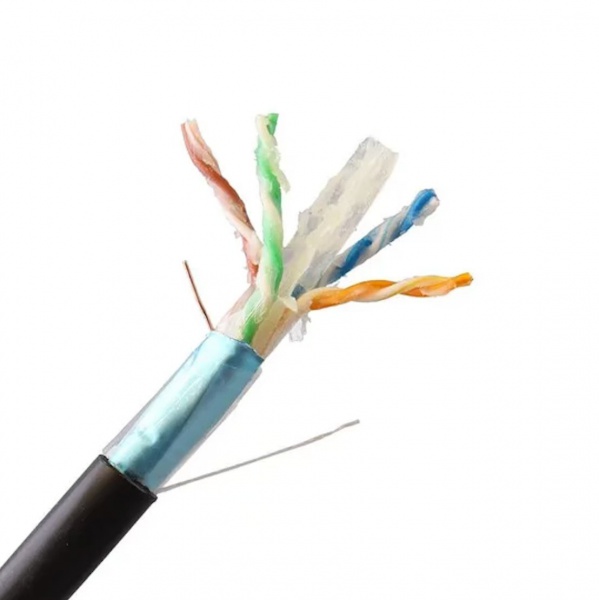
Custom 2-Core Brazil Plug Power Cord
1. Place of Origin: China
2. Brand Name:Hoton Link
3.Minimum Order Quantity:1000pcs
4. Delivery time:5-25 Days
5.Payment Terms: 30%TT as deposit,70%Balance before shipping.
Long press to look detail
Long by picture save/share
INQUIRY

在线询盘 MORE+
  • 联系人 *

  • 手机 *

  • 描述

  • Submit

  • Security Code
    Refresh the code
    Cancel
    Confirm

Inquiry Content:


You have no items to require

Add Successfully

Contact us

0086-755-23002989

 info@hotonlink.com

 hotonlink

 0086-18123718803

Room 506, 5th floor No.48 Huaide South Road,Cuigang Industrial Zone 4,Fuyong Street,Baoan Shezhen China 

(Post Code:518100)

Service

Support

Downloads

Company

About Us

Contact Us


Professional Cable Manufacturer Copyright © Shenzhen Hoton Link Technology Co.,Ltd;All Rights Reserved.

Online
TOP
Online
Online Contacts Qrcode
Tel
+86-755-23002989
Whatsapp
+86-18123718803
E-mail
info@hotonlink.com
QQ
3677965196
Wechat
hotonlink
Working Hours
Monday-Sunday
Qrcode
Scan me
Qrcode
Add me
TOP
添加微信好友,详细了解产品
使用企业微信
“扫一扫”加入群聊
复制成功
添加微信好友,详细了解产品
我知道了