RJ45 RJ11 Network Cable Tester

RJ45/RJ11 Network Cable Tester
This is a handheld electronic diagnostic tool used to verify the continuity, wiring configuration, and basic integrity of twisted-pair cables terminated with modular connectors like RJ45 (8P8C) and RJ11 (6P4C/6P2C).
Specification
Components: Typically consists of two units:
Main/Remote Units: A main transmitter unit and a remote receiver unit. Some models are a single unit with a loopback adapter or remote jack.
Test Ports: Includes ports for RJ45 (8P8C) and RJ11 (6P4C/6P2C), allowing testing of Ethernet, telephone, and other low-voltage cables.
Testing Modes & Functions:
Wire Mapping: The primary function. It checks the continuity of each conductor (pins 1-8) and identifies faults like opens (broken wire), shorts (two wires touching), miswires (incorrect pin assignment), and split pairs (a critical fault where pairs are broken).
Cable Length Detection: Basic testers estimate length using Time Domain Reflectometry (TDR) principles, helpful for identifying the distance to a fault or verifying cable runs.
Results Display: Uses a set of LED indicators (one per conductor) on both main and remote units. The lighting sequence shows the wiring status. More advanced models have an LCD screen that displays text descriptions of faults and wire maps.
Power: Powered by standard batteries (e.g., 9V or AA).
Additional Features (on advanced models): May include toner/generator functions for cable tracing, PoE detection, and a built-in cable cutter/stripper.
Advantage
Rapid Fault Detection: Provides an immediate, go/no-go diagnostic for cable installations and repairs, saving immense time compared to using a multimeter to test each pin manually.
Easy to Use: Simple operation—connect the cable between the two units, power on, and observe the LED sequence. No specialized training is required for basic verification.
Portable and Inexpensive: A fundamental, affordable tool that fits in a toolkit, enabling on-the-spot testing at the job site, in the server room, or at a workstation.
Prevents Network Issues: Catches wiring errors and faults before the cable is put into service, preventing difficult-to-diagnose network performance problems, slow speeds, or complete link failures.
Verifies Standards Compliance: Confirms that a cable is correctly wired to the T568A or T568B standard, which is essential for proper Ethernet operation, especially for Gigabit and higher speeds.
Application
Post-Installation Verification: The primary use. After pulling and terminating network or phone cables, technicians use the tester to verify every connection is correct before connecting to active equipment.
Troubleshooting Existing Cable Runs: Diagnosing the cause of a dead network drop or phone line—quickly determining if the issue is a faulty cable (open/short) or a device/configuration problem.
Testing Patch Cables: Verifying homemade or questionable patch cords before deploying them in a network.
Network Documentation: Helps document and label cables by verifying their continuity and endpoint connections.
Quality Assurance for Cable Manufacturers: Used in basic quality checks for factory-made patch cables.

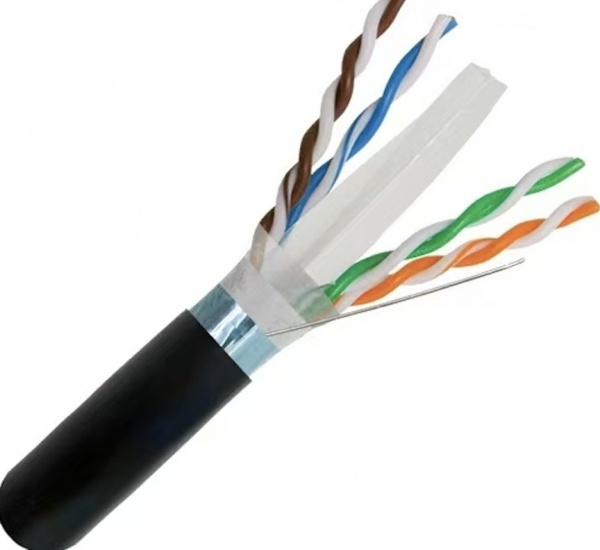
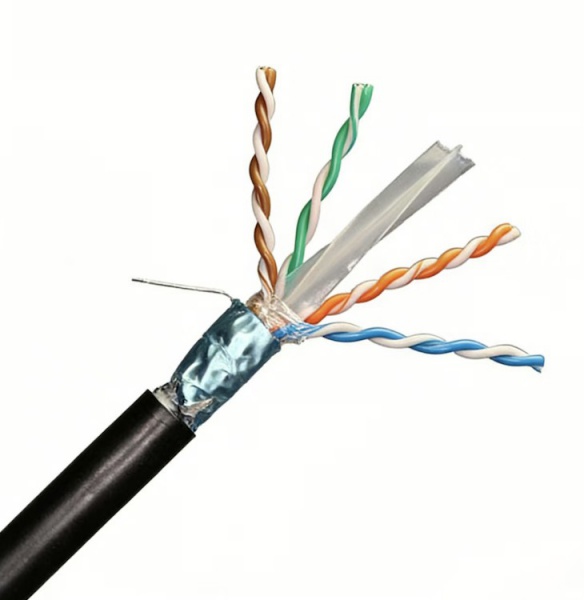
 External FTP CAT6 Data Cable with Jelly Filled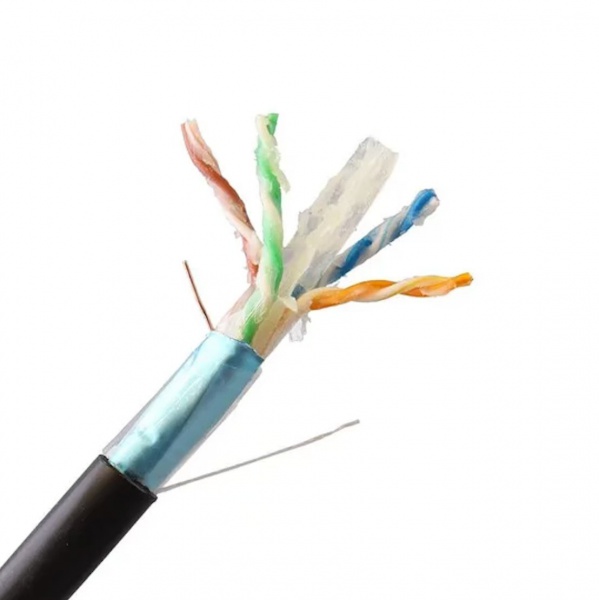







 0086-755-23002989
 info@hotonlink.com
 hotonlink
 0086-18123718803
 Room 506, 5th floor No.48 Huaide South Road,Cuigang Industrial Zone 4,Fuyong Street,Baoan Shezhen China