Single Mode LC / LC Patch Cord Fiber Optic Cable OM3 OM4 LC to LC/SC FC ST Patch Cord
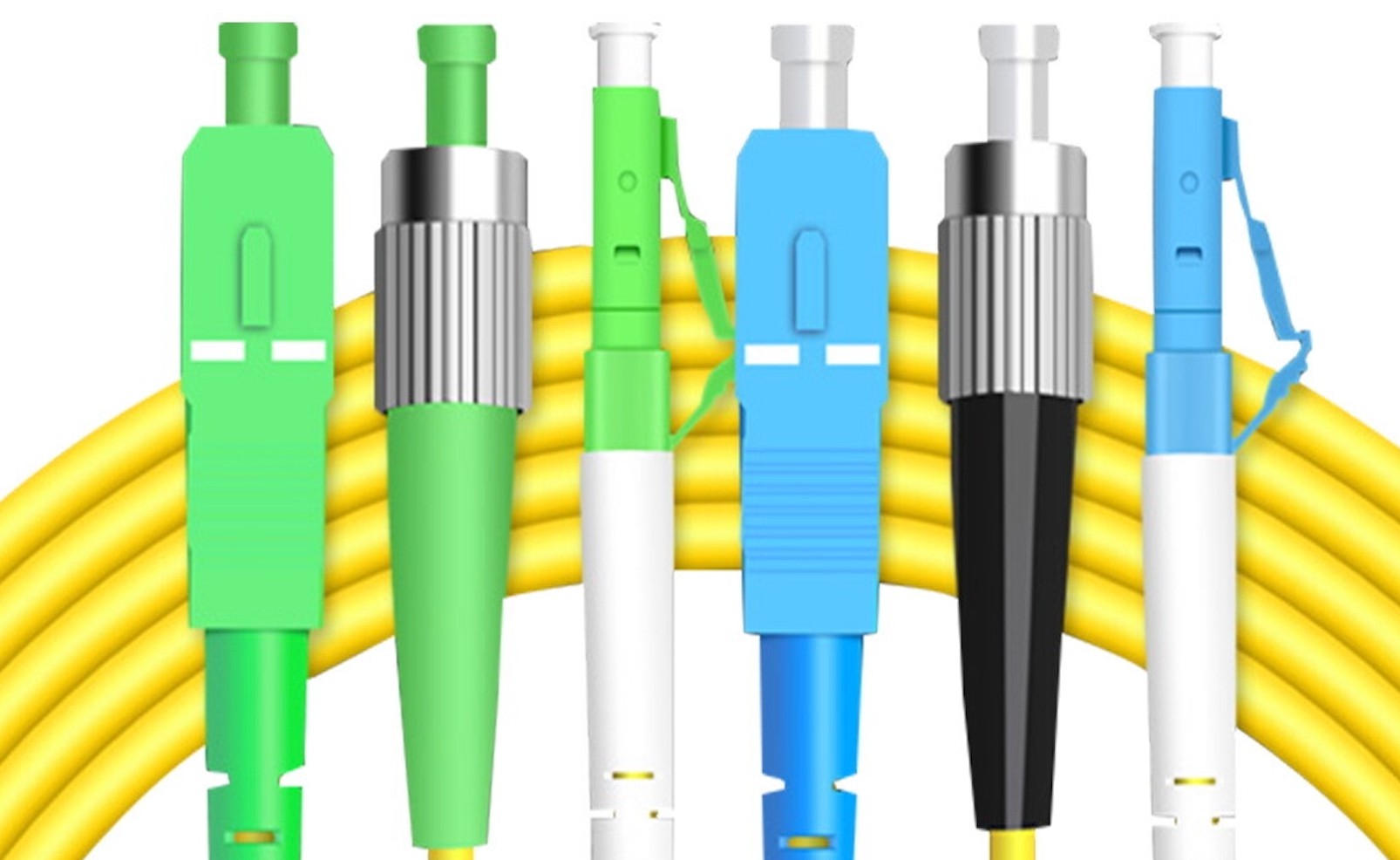
Fiber Patch Cord (Patch Cable) Specification
A fiber patch cord is a short, flexible cable with factory-terminated fiber optic connectors on both ends, used to create cross-connections between equipment and panels in a fiber optic network.
Fiber Type:
Single-Mode (SMF/OS1/OS2): Has a small core (~9µm). Used for long-distance transmission (up to tens of kilometers) with laser sources. Common for telecom, campus backbones, and DWDM.
Multi-Mode (MMF/OM1/OM2/OM3/OM4/OM5): Has a larger core (50µm or 62.5µm). Used for shorter distances (up to 550m) with LED or VCSEL sources. Common in data centers, LANs, and premises networks.
Connector Types: The most common are:
LC (Lucent Connector): Small form-factor, widely used in high-density applications (switches, panels).
SC (Subscriber Connector): Square push-pull design, common in data centers and telecom.
ST (Straight Tip): Bayonet-style, common in older installations and some security systems.
MTP/MPO (Multi-fiber Push-On): A single connector housing 12, 24, or more fibers, used for 40G/100G/400G parallel optics.
Polish Type: The shape of the fiber end face, critical for low loss. Common types: PC (Physical Contact), UPC (Ultra Physical Contact), and APC (Angled Physical Contact). APC (green connector) has an 8° angle to minimize back-reflection and is used in high-speed and PON networks.
Cable Construction:
Simplex: One fiber, one cord.
Duplex: Two fibers (typically for Tx/Rx) in a single jacket, the standard for most network links.
Jacket: Often OFNR (Riser) or OFNP (Plenum) rated for fire safety. Colors: Yellow (SMF), Aqua (OM3/OM4 MMF), Orange (OM1/OM2 MMF), Lime Green (OM5 MMF).
Length: Customarily sold in standard lengths (1m, 2m, 3m, 5m, 10m, etc.).
Performance: Rated for a specific insertion loss (typically <0.2 dB to 0.5 dB per mated pair) and return loss.
Advantage
Factory-Terminated Reliability: Connectors are precision-terminated and polished in a controlled factory environment, ensuring optimal performance, low loss, and high reliability compared to most field terminations.
Plug-and-Play Simplicity: Allows for quick, flexible, and tool-free connections between equipment, patch panels, and wall outlets. Installation and reconfiguration are fast and easy.
High Performance and Low Loss: Engineered for maximum signal integrity, with very low insertion loss and back-reflection, which is critical for high-speed data transmission.
Durability and Protection: The cable is robust, with strain relief boots on connectors to protect the fragile fiber from bending and breaking at the termination point.
Standardization and Interoperability: Available in a wide range of standard connector types and fiber specifications, ensuring compatibility with all major network equipment.
Application
Data Center Interconnections: The most common use. Connecting servers, storage, and switches within and between racks. MTP cords are used for 40G/100G spine-leaf architectures.
Equipment to Patch Panel Links: Connecting ports on a network switch or router to the corresponding ports on a fiber optic patch panel in a telecom room or data center.
Structured Cabling Cross-Connects: Making connections between different patch panels (e.g., between the main distribution and intermediate distribution areas).
Fiber to the Home/Desktop (FTTH/FTTD): Connecting the customer's optical network terminal (ONT) to the wall outlet or network interface device.
Test and Measurement: Used as reference cables and to connect equipment during fiber network installation, certification, and troubleshooting.
Telecom Central Offices: Interconnecting transmission equipment, optical line terminals, and distribution frames.
Selection Guide: Always match the patch cord to the installed infrastructure. Use Single-Mode (Yellow) for long-distance/ISP links and Multi-Mode (Aqua/Orange) for short-distance/data center links. Ensure connector types (LC, SC) match the equipment ports.

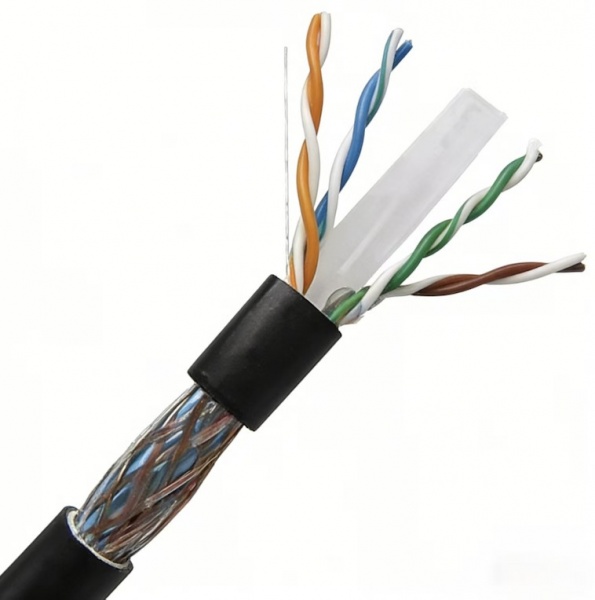
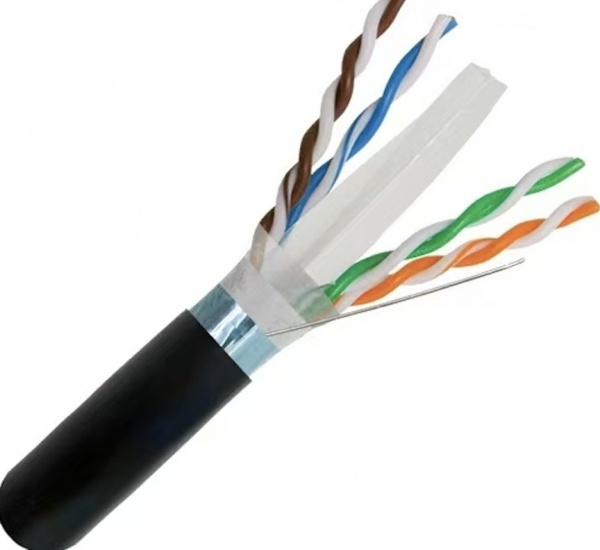
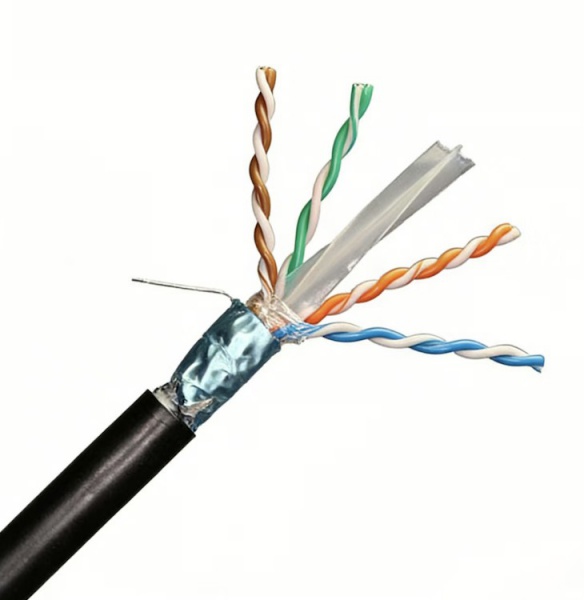
 External FTP CAT6 Data Cable with Jelly Filled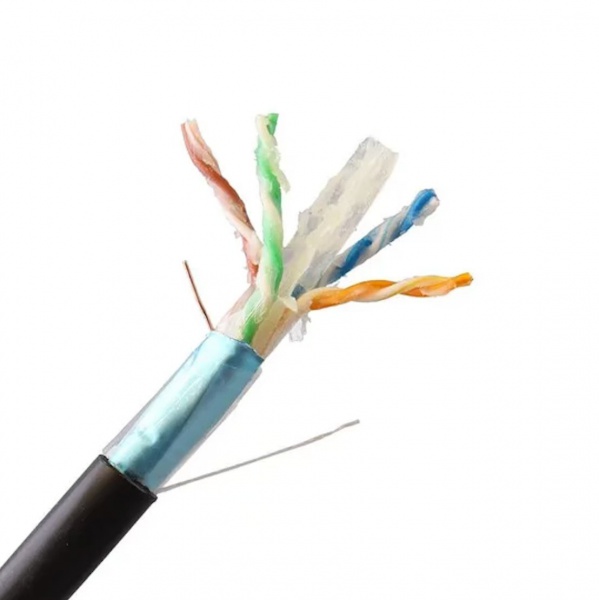







 0086-755-23002989
 info@hotonlink.com
 hotonlink
 0086-18123718803
 Room 506, 5th floor No.48 Huaide South Road,Cuigang Industrial Zone 4,Fuyong Street,Baoan Shezhen China