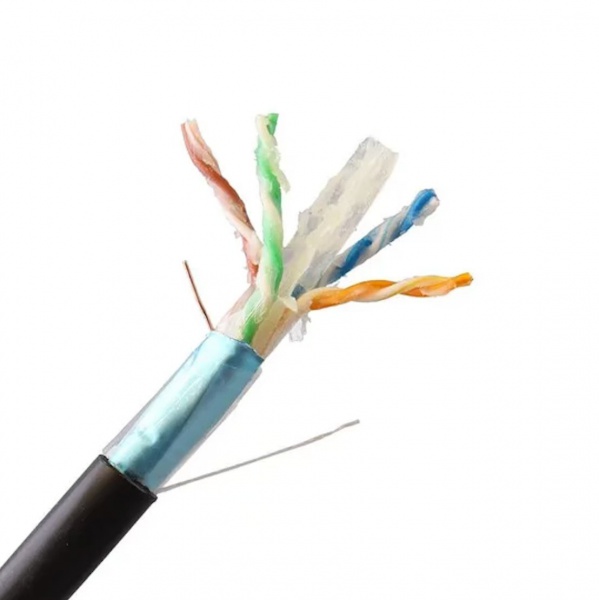
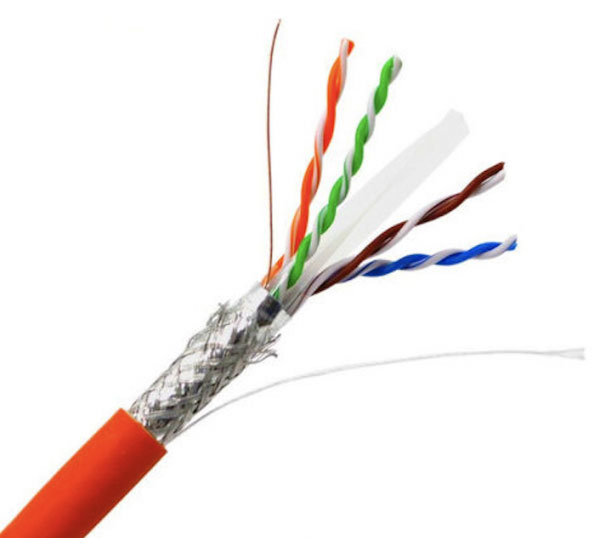
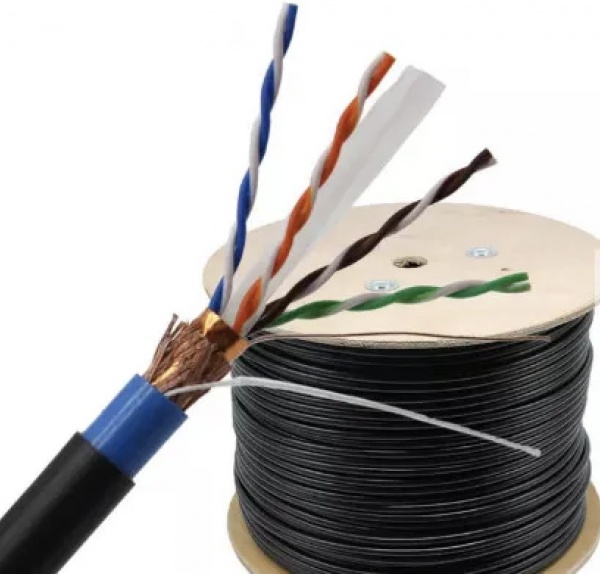
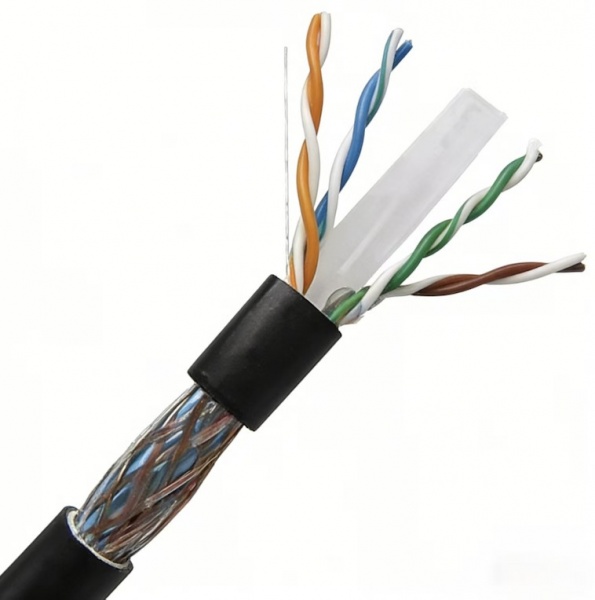
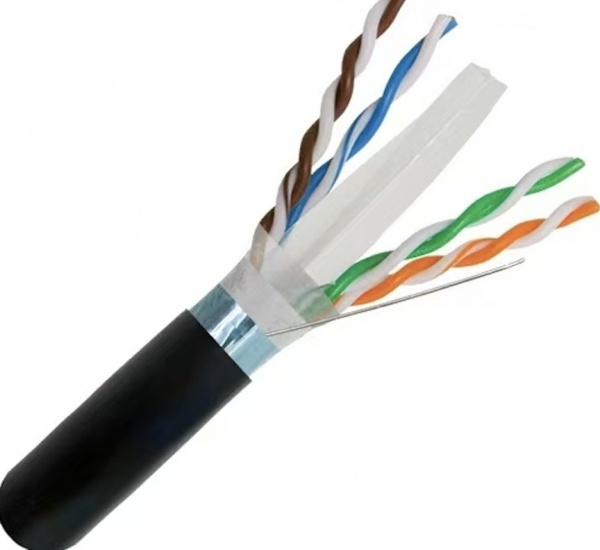
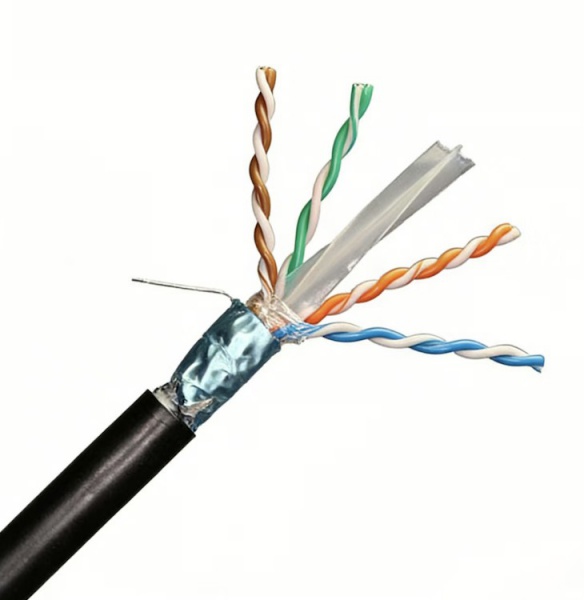
图片展示
English
  • 繁體中文
  • English
  • عربي
  • Русский язык
  • română
  • Português
  • Türkçe
  • Español
  • Italiano
  • IndonesiaName
  • Tiếng Việt

Related Products

XLPE Insulated Shielded Vehicle Charging Wire 4 Awg 50mm 95mm 35mm Cable De Connexion De Batterie Car Battery Wiring Cable

1. Place of Origin: China
2. Brand Name:Hoton Link
3.Minimum Order Quantity:50km
4. Delivery time:5-25 Days
5.Payment Terms: 30%TT as deposit,70%Balance before shipping.

XLPE Insulated Shielded Vehicle Charging Wire 4 Awg 50mm 95mm 35mm Cable De Connexion De Batterie Car Battery Wiring Cable

Select the number of specifications

Please check the product information you want!

Product Detail


XLPE Insulated Shielded Vehicle Charging Wire 4 Awg 50mm 95mm 35mm Cable De Connexion De Batterie Car Battery Wiring Cable


What is Car Battery Wiring Cable?

It is a specialized, high-current cable designed for the primary electrical circuits in vehicles, with the battery as the central power source. Its core function is to reliably conduct high amperage with minimal voltage drop over relatively short distances in a harsh environment.


1. Core Specifications & Construction


Unlike signal or data cables, battery cables are defined by their ability to handle high current and resist environmental stress.

  • Conductor:

    • Material: Fine-stranded, bare copper or tinned copper. Fine stranding (e.g., SAE Class 5) provides extreme flexibility, crucial for engine bay routing and vibration resistance. Tinning prevents oxidation/corrosion of the copper strands.

  • Insulation & Jacket:

    • Material: Primary insulation is typically thick, durable PVC or cross-linked polyethylene (XLPO).

    • XLPO Advantage: Superior to PVC in high-temperature resistance (often rated to 125°C/257°F+), better abrasion and chemical (oil, fuel, coolant) resistance.

    • Color Coding: Standardized for identification (e.g., Red for positive (+), Black for negative/ground (-)).

  • Key Specifications:

    • Gauge (AWG): Defined by current-carrying capacity. Common sizes: 6 AWG, 4 AWG, 2 AWG, 1/0, 2/0, 4/0. Lower gauge number = thicker wire = higher current capacity.

    • Voltage Rating: Typically 60V for standard 12V/24V systems, but designed for surge handling.

    • Temperature Rating: A critical spec. Standard PVC: ~80°C (176°F). High-temp (XLPO, SXL): 125°C (257°F) or higher.


2. Key Advantages & Benefits


Using proper automotive battery cable is essential for safety, reliability, and performance.

  • High Current Capacity with Low Voltage Drop: Properly sized cable (correct AWG) ensures the starter motor and other high-draw components receive sufficient voltage, preventing hard starts and component failure.

  • Exceptional Flexibility & Vibration Resistance: The fine-stranded copper construction allows the cable to withstand constant engine vibration and movement without work-hardening and breaking internally—a common failure point for solid or coarse-stranded wire.

  • Environmental Durability: The insulation is resistant to:

    • Under-hood Temperatures: Withstands heat from the engine and exhaust.

    • Fluids: Resistant to oil, gasoline, battery acid, and coolant.

    • Abrasion: Resists chafing against chassis and body components.

  • Corrosion Resistance: Tinned copper strands resist oxidation, maintaining conductivity and preventing 'green death' corrosion that increases resistance over time.

  • Safety: Thick insulation provides robust protection against short circuits to the vehicle chassis, preventing fires.

  • Standardization: Color coding and standardized terminal lug sizes (ring, flag) ensure correct installation and easier troubleshooting


3. Primary Applications


These cables are used for all primary, high-current paths in a vehicle's electrical system.

  • Battery to Starter Motor: The highest current application in the vehicle (often 150-400+ amps during cranking). Uses the thickest cable (e.g., 2 AWG to 2/0 AWG).

  • Battery to Chassis Ground: Provides the essential ground return path. Usually the same gauge as the positive cable.

  • Battery to Power Distribution Center (Fuse Box): Supplies main power to the vehicle's fuse panel.

  • Engine Block to Chassis Ground ('Ground Strap'): Ensures the engine is properly grounded to the chassis/battery.

  • High-Power Aftermarket Accessories:

    • Audio Systems: For amplifier power and ground connections (often 4 AWG or larger).

    • Winches, High-Power Lighting (Light Bars), Air Compressors.

    • Inverter Connections (for 120V AC power from the battery).

  • Alternator to Battery Positive Output: Carries charging current from the alternator back to the battery.


Selection & Sizing Guide:

Choosing the correct cable is critical. Undersized cable is a fire hazard and causes performance issues.

  1. Determine Maximum Current (Amps): For the starter, refer to vehicle specs. For accessories, check the device's fuse rating or specs.

  2. Calculate Length: Total circuit length (positive path + negative/ground return path).

  3. Select Gauge (AWG): Use an automotive wire gauge chart that factors in both current and total length to ensure less than a 3% voltage drop. Example: A 150-amp starter circuit with a 10-foot total length typically requires a 2 AWG cable.

Rule of Thumb: It is always safer to go one size larger (lower AWG number) than the minimum required.


Critical Installation Notes:

  • Termination: Must use high-quality, crimped (and preferably soldered) terminal lugs that match the cable gauge. Poor connections create resistance, heat, and failure points.

  • Routing: Secure cables away from hot, moving, or sharp components. Use grommets through metal panels.

  • Protection: Use split loom or conduit in areas prone to abrasion.

Conclusion: Automotive battery cable is a purpose-engineered component. Using household wire, extension cord, or undersized cable is dangerous and will lead to electrical failure. Always use SAE (Society of Automotive Engineers) J1127 or higher-specified cable for primary automotive circuits.


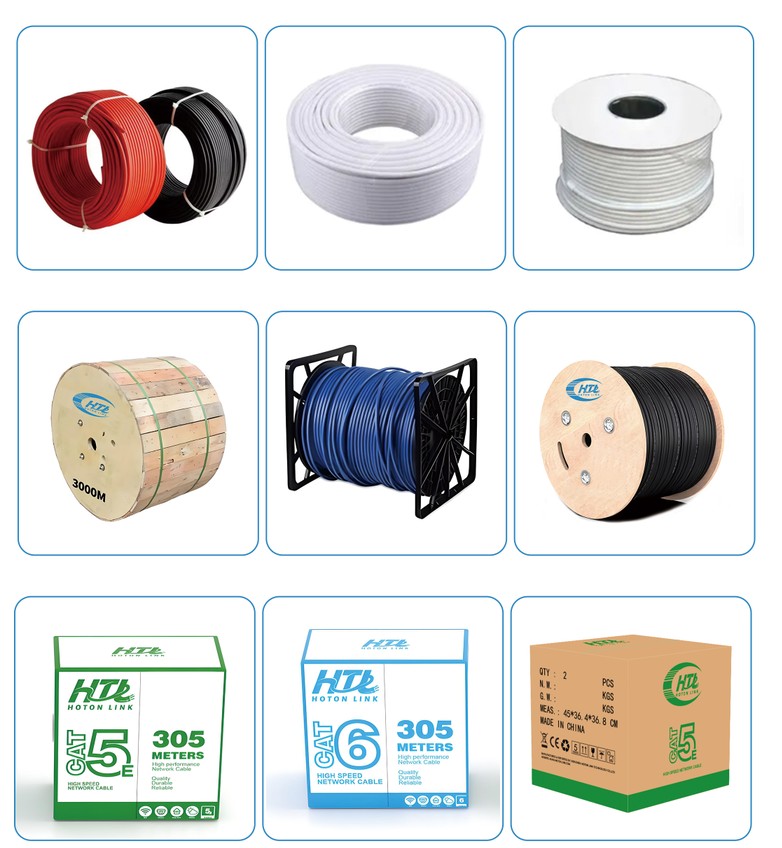
Package


FAQS:


Q1: Are you a factory or trading company? 

A1: We are a manufacturer.


Q2: Where is your factory located? How can I visit there? 

A2:Our factory are located in jieyang city. You can fly to Shenzhen or Guangzhou international airport. And tell us your flight No. We will arrange to pick you up.


Q3: How can I get a sample to test your quality? 

A3:We can provide free samples for your test and checking, you just need to bear the freight charge.


Q4:What payment method do you accept?

A4:T/T(Bank transfer), Western Union, Money Gram, Paypal, etc.


Q5: Can you put my brand name (logo) on these products?

A5: Yes! The professional OEM services will be welcomed to us. Our factory accepts to make the logo free for bulk orders.


Q6: May I know the status of my order?

A6: Yes .The order information and photos at different production stage of your order will be sent to you and the information will be updated in time.


Q7: What’s the leading time? (How long do you need to prepare my goods?

A7: Delivery (no more than 1000pcs) will be arranged within 10-15 days after payment, and arrive you within about 1 month via sea shipping.


Q8: How will you deliver my goods to me? 

A8 Your purchases will be delivered by DHL, UPS, FedEx, TNT, EMS your door. Air Cargo and Sea Cargo, Direct line, Air Mail also be accepted according to clients' request.


Q9: Can you provide us more other products to us to help us to save more shipping costs?

A9: Yes. There’re kinds of Indoor Cables, Outdoor Cables, Coaxial Cables, Telephone Cables, Fiber Optic Cables and Accessories will be the main products line of Factory. The OEM bulk order will be accept as well.

No comment

Product Detail


XLPE Insulated Shielded Vehicle Charging Wire 4 Awg 50mm 95mm 35mm Cable De Connexion De Batterie Car Battery Wiring Cable


What is Car Battery Wiring Cable?

It is a specialized, high-current cable designed for the primary electrical circuits in vehicles, with the battery as the central power source. Its core function is to reliably conduct high amperage with minimal voltage drop over relatively short distances in a harsh environment.


1. Core Specifications & Construction


Unlike signal or data cables, battery cables are defined by their ability to handle high current and resist environmental stress.

  • Conductor:

    • Material: Fine-stranded, bare copper or tinned copper. Fine stranding (e.g., SAE Class 5) provides extreme flexibility, crucial for engine bay routing and vibration resistance. Tinning prevents oxidation/corrosion of the copper strands.

  • Insulation & Jacket:

    • Material: Primary insulation is typically thick, durable PVC or cross-linked polyethylene (XLPO).

    • XLPO Advantage: Superior to PVC in high-temperature resistance (often rated to 125°C/257°F+), better abrasion and chemical (oil, fuel, coolant) resistance.

    • Color Coding: Standardized for identification (e.g., Red for positive (+), Black for negative/ground (-)).

  • Key Specifications:

    • Gauge (AWG): Defined by current-carrying capacity. Common sizes: 6 AWG, 4 AWG, 2 AWG, 1/0, 2/0, 4/0. Lower gauge number = thicker wire = higher current capacity.

    • Voltage Rating: Typically 60V for standard 12V/24V systems, but designed for surge handling.

    • Temperature Rating: A critical spec. Standard PVC: ~80°C (176°F). High-temp (XLPO, SXL): 125°C (257°F) or higher.


2. Key Advantages & Benefits


Using proper automotive battery cable is essential for safety, reliability, and performance.

  • High Current Capacity with Low Voltage Drop: Properly sized cable (correct AWG) ensures the starter motor and other high-draw components receive sufficient voltage, preventing hard starts and component failure.

  • Exceptional Flexibility & Vibration Resistance: The fine-stranded copper construction allows the cable to withstand constant engine vibration and movement without work-hardening and breaking internally—a common failure point for solid or coarse-stranded wire.

  • Environmental Durability: The insulation is resistant to:

    • Under-hood Temperatures: Withstands heat from the engine and exhaust.

    • Fluids: Resistant to oil, gasoline, battery acid, and coolant.

    • Abrasion: Resists chafing against chassis and body components.

  • Corrosion Resistance: Tinned copper strands resist oxidation, maintaining conductivity and preventing 'green death' corrosion that increases resistance over time.

  • Safety: Thick insulation provides robust protection against short circuits to the vehicle chassis, preventing fires.

  • Standardization: Color coding and standardized terminal lug sizes (ring, flag) ensure correct installation and easier troubleshooting


3. Primary Applications


These cables are used for all primary, high-current paths in a vehicle's electrical system.

  • Battery to Starter Motor: The highest current application in the vehicle (often 150-400+ amps during cranking). Uses the thickest cable (e.g., 2 AWG to 2/0 AWG).

  • Battery to Chassis Ground: Provides the essential ground return path. Usually the same gauge as the positive cable.

  • Battery to Power Distribution Center (Fuse Box): Supplies main power to the vehicle's fuse panel.

  • Engine Block to Chassis Ground ('Ground Strap'): Ensures the engine is properly grounded to the chassis/battery.

  • High-Power Aftermarket Accessories:

    • Audio Systems: For amplifier power and ground connections (often 4 AWG or larger).

    • Winches, High-Power Lighting (Light Bars), Air Compressors.

    • Inverter Connections (for 120V AC power from the battery).

  • Alternator to Battery Positive Output: Carries charging current from the alternator back to the battery.


Selection & Sizing Guide:

Choosing the correct cable is critical. Undersized cable is a fire hazard and causes performance issues.

  1. Determine Maximum Current (Amps): For the starter, refer to vehicle specs. For accessories, check the device's fuse rating or specs.

  2. Calculate Length: Total circuit length (positive path + negative/ground return path).

  3. Select Gauge (AWG): Use an automotive wire gauge chart that factors in both current and total length to ensure less than a 3% voltage drop. Example: A 150-amp starter circuit with a 10-foot total length typically requires a 2 AWG cable.

Rule of Thumb: It is always safer to go one size larger (lower AWG number) than the minimum required.


Critical Installation Notes:

  • Termination: Must use high-quality, crimped (and preferably soldered) terminal lugs that match the cable gauge. Poor connections create resistance, heat, and failure points.

  • Routing: Secure cables away from hot, moving, or sharp components. Use grommets through metal panels.

  • Protection: Use split loom or conduit in areas prone to abrasion.

Conclusion: Automotive battery cable is a purpose-engineered component. Using household wire, extension cord, or undersized cable is dangerous and will lead to electrical failure. Always use SAE (Society of Automotive Engineers) J1127 or higher-specified cable for primary automotive circuits.


Package



FAQS:


Q1: Are you a factory or trading company? 

A1: We are a manufacturer.


Q2: Where is your factory located? How can I visit there? 

A2:Our factory are located in jieyang city. You can fly to Shenzhen or Guangzhou international airport. And tell us your flight No. We will arrange to pick you up.


Q3: How can I get a sample to test your quality? 

A3:We can provide free samples for your test and checking, you just need to bear the freight charge.


Q4:What payment method do you accept?

A4:T/T(Bank transfer), Western Union, Money Gram, Paypal, etc.


Q5: Can you put my brand name (logo) on these products?

A5: Yes! The professional OEM services will be welcomed to us. Our factory accepts to make the logo free for bulk orders.


Q6: May I know the status of my order?

A6: Yes .The order information and photos at different production stage of your order will be sent to you and the information will be updated in time.


Q7: What’s the leading time? (How long do you need to prepare my goods?

A7: Delivery (no more than 1000pcs) will be arranged within 10-15 days after payment, and arrive you within about 1 month via sea shipping.


Q8: How will you deliver my goods to me? 

A8 Your purchases will be delivered by DHL, UPS, FedEx, TNT, EMS your door. Air Cargo and Sea Cargo, Direct line, Air Mail also be accepted according to clients' request.


Q9: Can you provide us more other products to us to help us to save more shipping costs?

A9: Yes. There’re kinds of Indoor Cables, Outdoor Cables, Coaxial Cables, Telephone Cables, Fiber Optic Cables and Accessories will be the main products line of Factory. The OEM bulk order will be accept as well.

XLPE Insulated Shielded Vehicle Charging Wire 4 Awg 50mm 95mm 35mm Cable De Connexion De Batterie Car Battery Wiring Cable
1. Place of Origin: China
2. Brand Name:Hoton Link
3.Minimum Order Quantity:50km
4. Delivery time:5-25 Days
5.Payment Terms: 30%TT as deposit,70%Balance before shipping.
Long press to look detail
Long by picture save/share
INQUIRY

在线询盘 MORE+
  • 联系人 *

  • 手机 *

  • 描述

  • Submit

  • Security Code
    Refresh the code
    Cancel
    Confirm

Inquiry Content:


You have no items to require

Add Successfully

Contact us

0086-755-23002989

 info@hotonlink.com

 hotonlink

 0086-18123718803

Room 506, 5th floor No.48 Huaide South Road,Cuigang Industrial Zone 4,Fuyong Street,Baoan Shezhen China 

(Post Code:518100)

Service

Support

Downloads

Company

About Us

Contact Us


Professional Cable Manufacturer Copyright © Shenzhen Hoton Link Technology Co.,Ltd;All Rights Reserved.

Online
TOP
Online
Online Contacts Qrcode
Tel
+86-755-23002989
Whatsapp
+86-18123718803
E-mail
info@hotonlink.com
QQ
3677965196
Wechat
hotonlink
Working Hours
Monday-Sunday
Qrcode
Scan me
Qrcode
Add me
TOP
添加微信好友,详细了解产品
使用企业微信
“扫一扫”加入群聊
复制成功
添加微信好友,详细了解产品
我知道了